Top 20 Iconic Ad Campaigns Across Media
Some advertisements sell a product. The best ones change culture. The most iconic ad campaigns of all time did not just move units — they shifted how people thought about themselves, their aspirations, or the brands they chose to trust. They stuck in memory for years, sometimes decades, after they first aired or ran.
What makes an ad campaign truly iconic? It is usually a combination of the right message at the right moment, creative execution that feels fresh, and emotional resonance that connects beyond the product itself. The 20 campaigns in this article represent a range of media, decades, and industries — but all of them share that rare quality of leaving a lasting mark.
The 20 Most Iconic Ad Campaigns of All Time
1. Nike — Just Do It (1988, TV and Print)
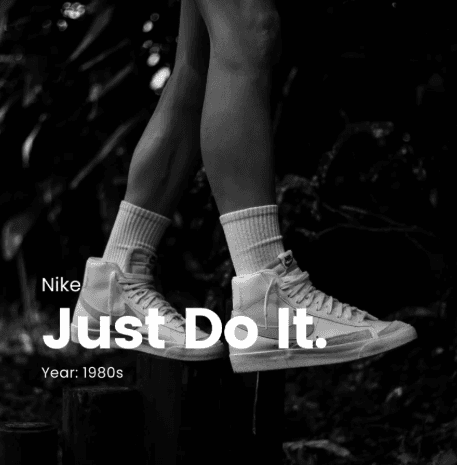
Nike's Just Do It slogan launched in 1988 with an ad featuring 80-year-old marathon runner Walt Stack. The campaign was not built around shoes — it was built around the idea that anyone could be an athlete. Over the years it featured Michael Jordan, Bo Jackson, and countless other athletes, but the core message never changed. Just Do It is now synonymous with personal motivation and remains one of the most recognized taglines ever created. The campaign helped Nike grow from a running brand into a global sportswear giant.
2. Apple — 1984 (1984, TV)
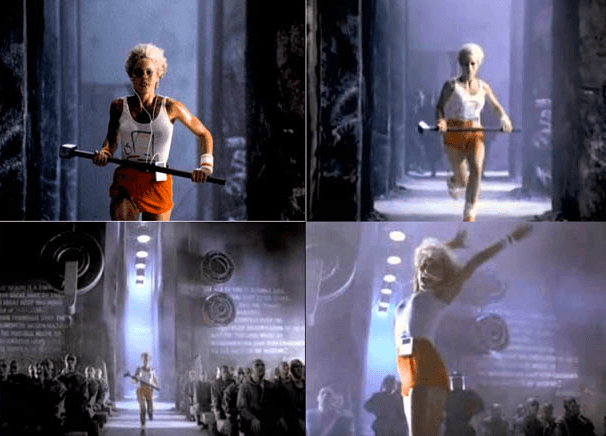
Apple aired this ad just once during Super Bowl XVIII, but its impact lasted for decades. Directed by Ridley Scott, the ad depicted a dystopian world where a woman athlete hurls a hammer at a screen showing a Big Brother figure — symbolizing IBM. Apple positioned itself as the antidote to corporate conformity. The Mac was presented not as a computer but as a tool of liberation. This ad essentially invented the concept of the Super Bowl commercial as cultural event.
3. Volkswagen — Think Small (1959, Print)
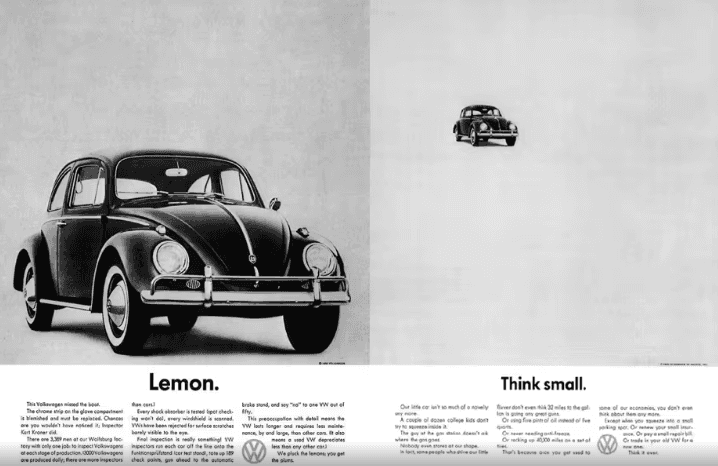
In 1959, American car culture was about big, powerful, flashy vehicles. Volkswagen ran a print ad featuring its small Beetle with acres of white space and the headline Think Small. It was honest, self-deprecating, and completely different from everything else in the market. Designed by the Doyle Dane Bernbach agency, this campaign is widely credited as the beginning of modern advertising — the moment the industry realized that wit and truth could outperform bombast and bluster.
4. Coca-Cola — I'd Like to Buy the World a Coke (1971, TV)
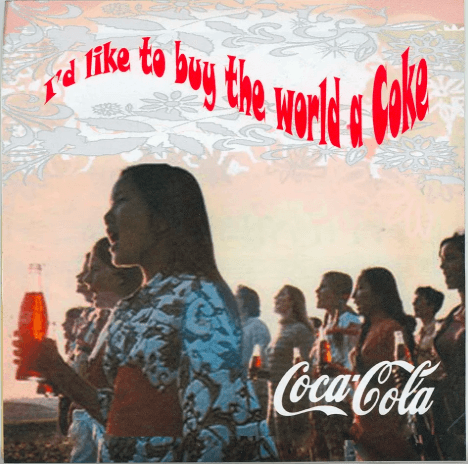
This television commercial featured a diverse group of young people on a hilltop in Italy singing together about harmony and Coca-Cola. It aired during a period of social tension in the United States and struck a chord by linking the brand to peace and unity. The song was so popular it was re-recorded as a standalone hit. Decades later, the ad was referenced in the finale of the TV series Mad Men — a testament to how deeply it entered cultural memory.
5. De Beers — A Diamond Is Forever (1947, Print)

This campaign did not just sell diamonds — it invented the tradition of the diamond engagement ring. De Beers introduced the slogan A Diamond Is Forever in 1947, and within a decade the concept of giving a diamond ring as a marriage proposal had become a cultural norm in the United States and eventually worldwide. Advertising Age named it the best advertising slogan of the twentieth century. Few campaigns have ever shaped consumer behavior as fundamentally as this one.
6. Absolut Vodka — The Bottle Campaign (1981, Print)
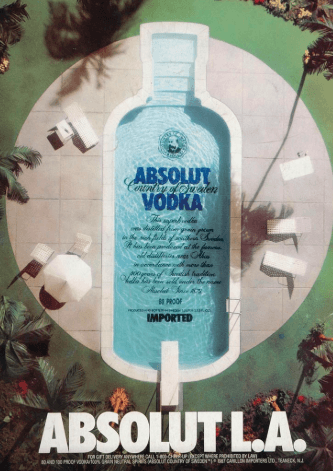
Absolut ran a series of print ads built around a simple concept: the distinctive shape of its bottle reimagined in a different context each time. Over 25 years and more than 1,500 executions, the bottle became a blank canvas for artists, cities, seasons, and concepts. The campaign turned a vodka bottle into a cultural icon and demonstrated that a single visual idea, executed with enough creativity and consistency, can sustain a brand identity for a generation.
7. Got Milk? — California Milk Processor Board (1993, TV and Print)
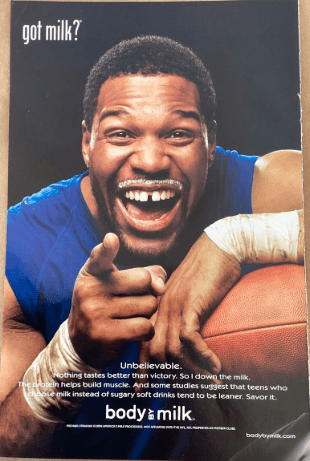
The Got Milk? campaign was created to address a specific problem: people were not buying enough milk. Rather than focusing on milk's benefits, the campaign showed people running out of milk at the worst possible moment. The launch ad featured a man who loses a radio trivia contest because he cannot speak clearly with a mouth full of peanut butter and no milk. The campaign became a pop culture phenomenon, spawning celebrity tie-ins and parodies for decades.
8. Old Spice — The Man Your Man Could Smell Like (2010, TV and Digital)
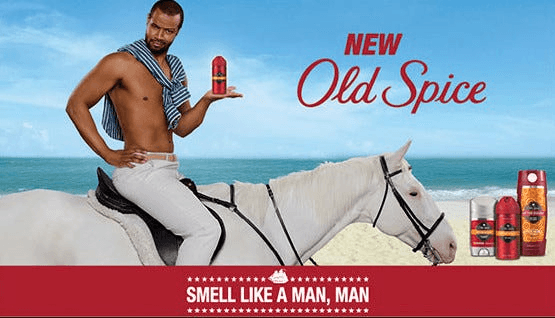
Old Spice was a brand associated with older men when Wieden and Kennedy created this campaign. The ad featured actor Isaiah Mustafa delivering absurd, rapid-fire monologues directly to the camera in increasingly surreal settings. It became one of the most-shared commercials in internet history almost overnight. The follow-up digital campaign, where Mustafa responded to fan comments with personalized video replies in real time, was a landmark moment in social media marketing.
9. Always — Like a Girl (2014, Digital and TV)

Procter and Gamble's Always brand ran this campaign to tackle the phrase like a girl — which was commonly used as an insult. The ad showed how that phrase affected the confidence of young women and reframed it as something empowering. It aired during the Super Bowl and generated enormous organic sharing online. The campaign won multiple awards and helped shift the brand from a hygiene product into a symbol of female empowerment. It demonstrated how brands can build purpose-led marketing that connects emotionally.
10. Dove — Real Beauty (2004, TV and Print)

Dove's Real Beauty campaign challenged the narrow beauty standards used in most advertising by featuring women of different ages, sizes, and appearances. The Dove Evolution video, which showed how extensively a model's image was altered before a billboard ad, became one of the first viral video campaigns before social media even existed in its current form. The campaign gave Dove a distinct identity and commercial success while contributing to a broader cultural conversation about beauty and self-image.
11. Marlboro Man — Marlboro Cigarettes (1954, Print and Outdoor)
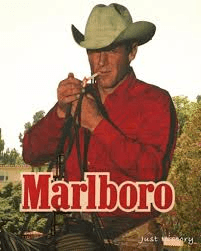
Marlboro was originally marketed as a women's cigarette. In 1954, Leo Burnett Agency repositioned it with a rugged male cowboy image — the Marlboro Man. The campaign used outdoor billboards and print ads to associate the brand with freedom, masculinity, and the American West. Within a year, Marlboro's sales increased dramatically. The Marlboro Man became one of the most recognized advertising figures in history, though the campaign is now also studied as an example of cigarette marketing's profound public health consequences.
12. Red Bull — Red Bull Gives You Wings (1997, TV and Radio)
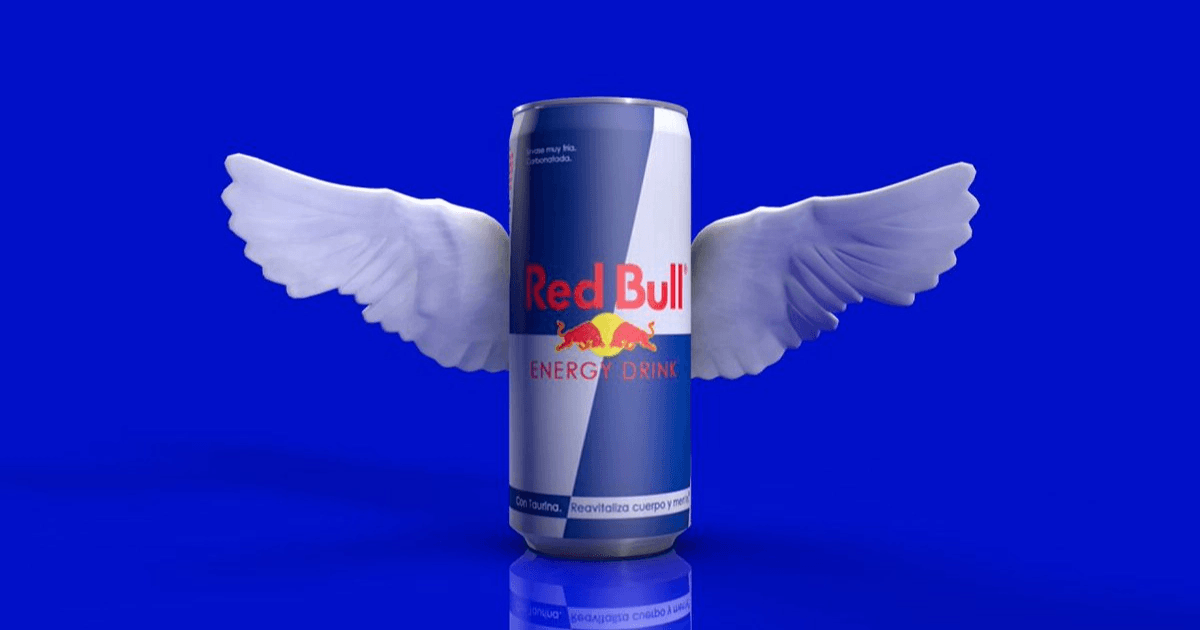
Red Bull built its brand almost entirely through its advertising claim that its product gives you wings. The animated television and radio ads were deliberately low-budget and quirky — a deliberate choice that set the brand apart from polished corporate advertising. Red Bull then extended its brand through extreme sports sponsorships and events that embodied the same energy. Felix Baumgartner's 2012 space jump, sponsored by Red Bull and watched by millions live online, may be the most spectacular brand stunt ever executed.
13. MasterCard — Priceless (1997, TV)
The Priceless campaign launched with a television ad where a father and son attend a baseball game. The ad listed the cost of each item — tickets, hot dogs, a baseball — before delivering the punchline: a real conversation with his 11-year-old son is priceless. The format was simple and endlessly adaptable. It ran in over 100 countries in different languages, each with a different story but the same emotional structure. Priceless became shorthand in popular culture for any moment too meaningful to reduce to money.
14. Budweiser — Wassup (1999, TV)
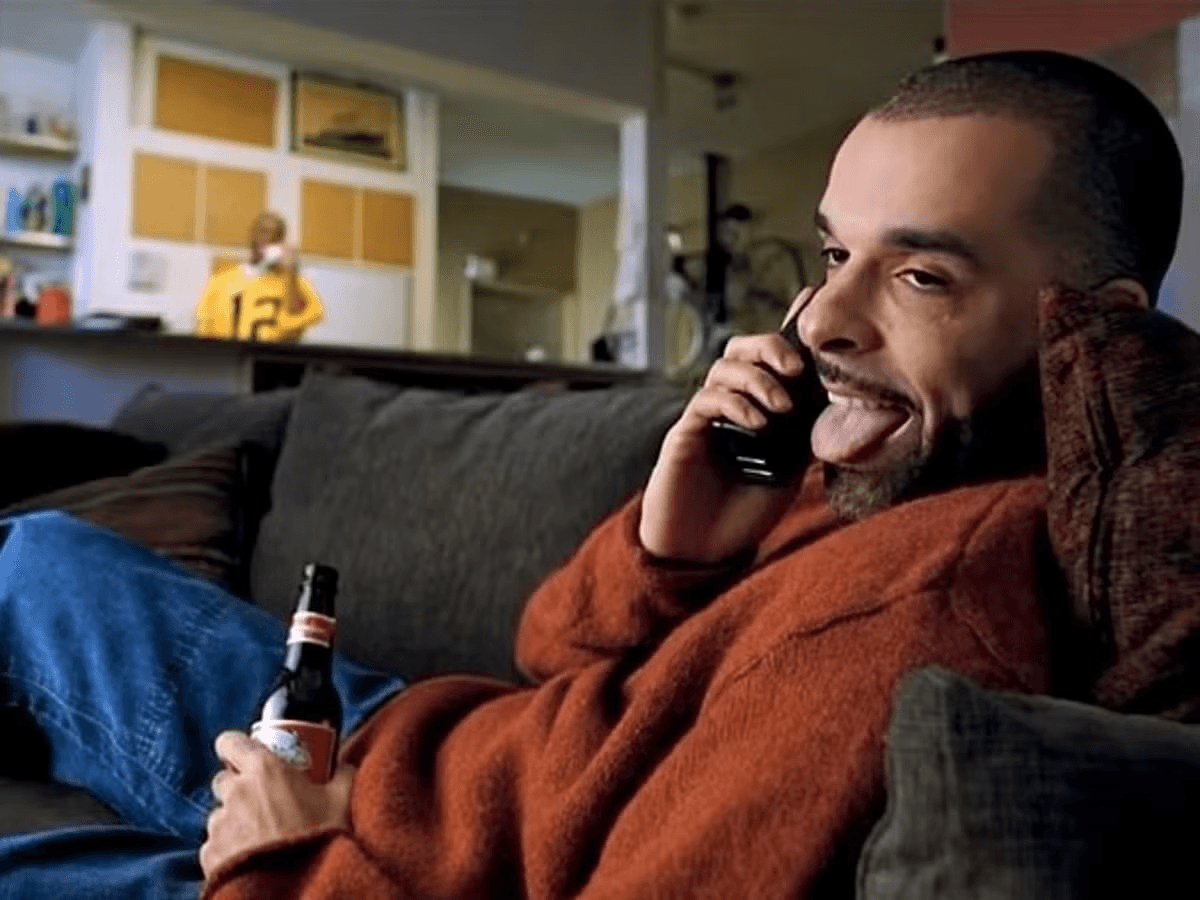
Based on a short independent film, the Wassup campaign featured friends calling each other and shouting the greeting across the line. It was absurdly simple, instantly quotable, and spread through word of mouth at a time when social sharing did not yet exist in its modern form. The phrase entered everyday speech almost immediately. The campaign showed that humor rooted in genuine social behavior could be more effective than polished product-focused advertising.
15. Wendy's — Where's the Beef? (1984, TV)
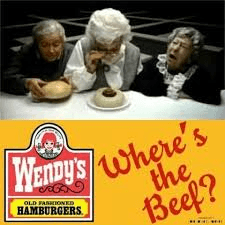
This fast-food campaign featured elderly actress Clara Peller peering at a tiny burger patty on a large bun and demanding to know where the beef was. It was a direct attack on competitors' smaller portions and became one of the most quoted TV commercial lines of the 1980s. The phrase was adopted into political discourse when Walter Mondale used it to challenge Gary Hart during the Democratic primary. Few fast-food ads have achieved that level of cultural penetration.
16. Levi's — Go Forth (2009, Digital and TV)
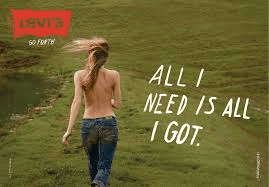
Levi's launched this campaign to reconnect with younger audiences by tapping into themes of optimism, American identity, and the pioneering spirit. The ads used poetry by Walt Whitman and images of young people in motion, often in gritty urban settings. The campaign helped revitalize the brand at a time when denim culture was being disrupted by fast fashion. It was praised for its cinematic quality and for treating the audience as adults capable of engaging with more than product features.
17. Pepsi — Is Pepsi OK? (Super Bowl 2019, TV)
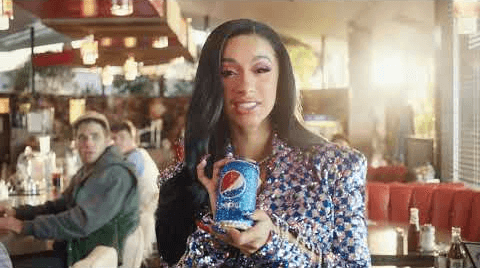
Pepsi turned a common frustration — being asked if Pepsi is okay when you wanted Coke — into a celebration of its own brand. The ad featured Steve Carell, Cardi B, and Lil Jon escalating the idea that Pepsi is more than okay. It was self-aware, funny, and landed well in an era when brands that can laugh at themselves tend to earn more trust. It demonstrated that even a brand playing second fiddle in a market can flip its narrative through creative confidence.
18. Google — Year in Search (2010 onwards, Digital)

Every year since 2010, Google has released a video reflecting on what the world searched for most that year. The series is not a product ad — it is an emotional mirror held up to humanity. By showing searches around tragedy, hope, celebration, and curiosity, Google positions itself as the place where people turn when life gets complicated. The videos consistently earn tens of millions of views organically. They are perhaps the best example of content marketing as brand-building.
19. Airbnb — Belong Anywhere (2014, Digital and TV)
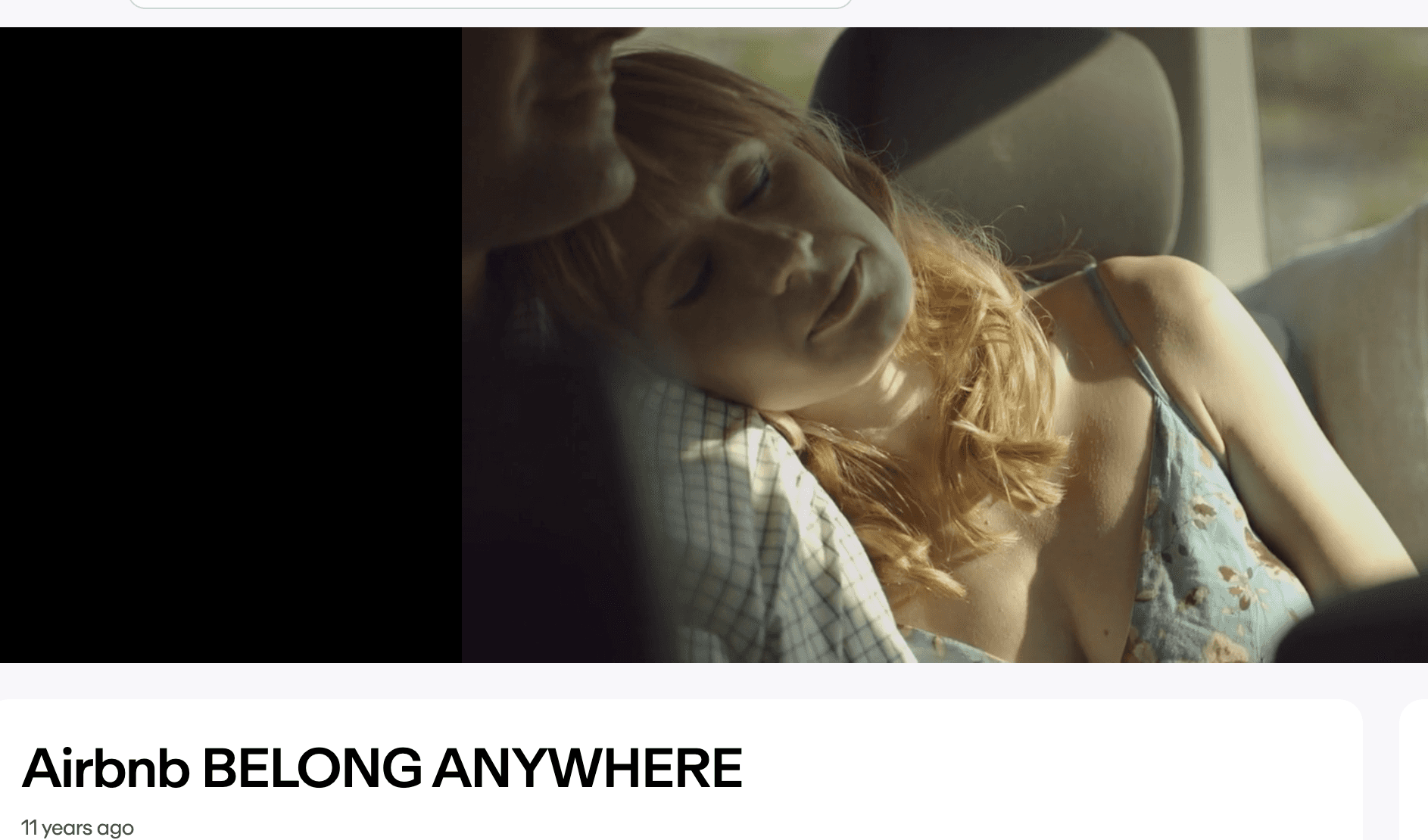
Airbnb launched this campaign to move beyond the functional proposition of cheaper accommodation toward a deeper emotional idea: that travel should make you feel like you belong, not like a tourist. The campaign used real hosts and guests and focused on human connection rather than platform features. It helped Airbnb establish a clear brand identity that differentiated it from hotel chains and other short-term rental platforms and gave it a story to tell as it expanded globally.
20. Ice Bucket Challenge — ALS Association (2014, Social Media)
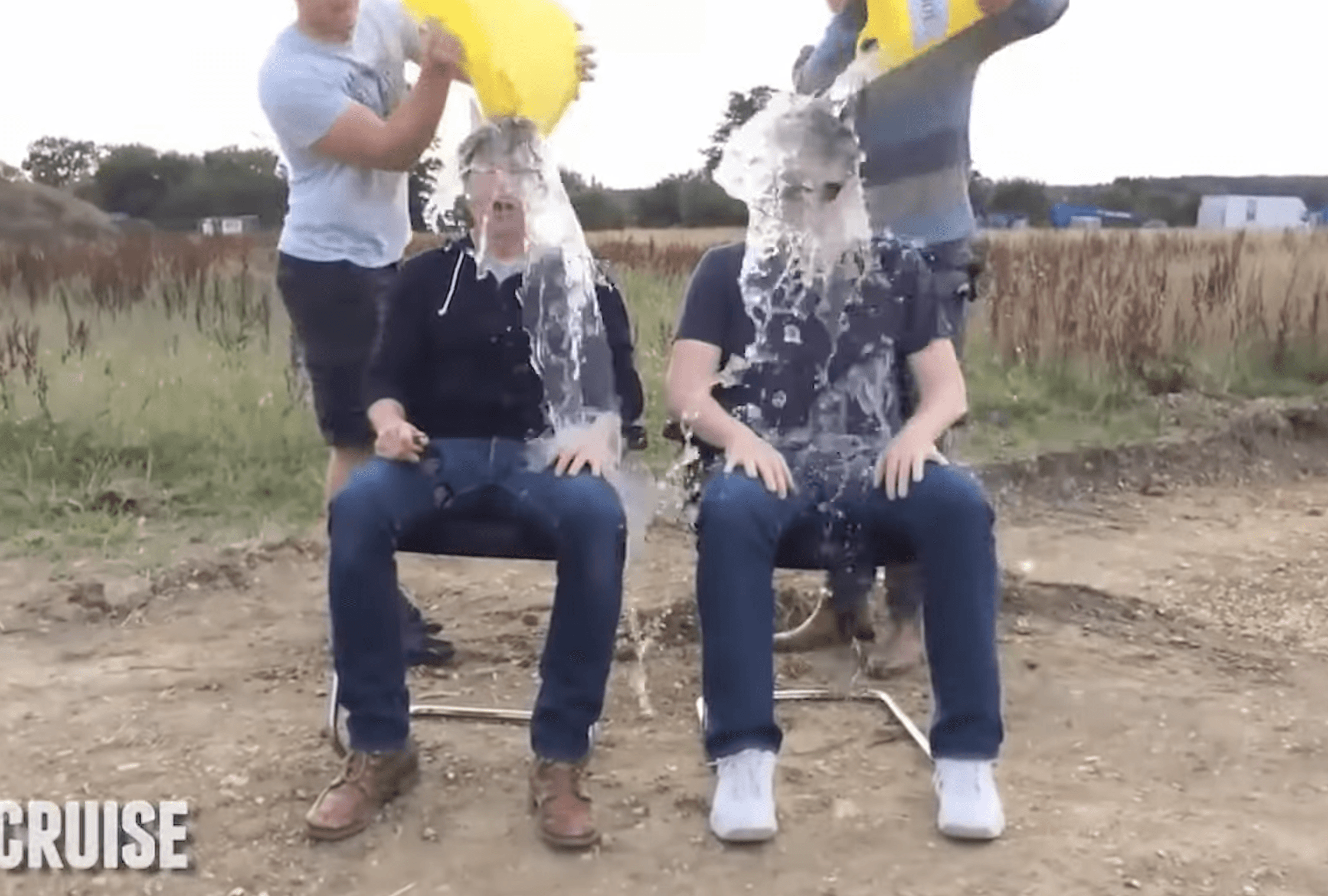
Strictly speaking, the Ice Bucket Challenge was a campaign that emerged organically and was then amplified by the ALS Association. Millions of people, including prominent celebrities, filmed themselves pouring ice water over their heads to raise awareness and funds for ALS research. It raised over 100 million dollars in a matter of weeks and introduced the concept of challenge-based viral marketing to the mainstream. It remains a study in how social sharing can create awareness at a scale that paid advertising rarely achieves.
What These Famous Ad Campaigns Have in Common
Looking across these 20 iconic marketing campaigns, a few patterns emerge. The most effective campaigns are built around a single clear idea that is easy to understand and remember. They treat the audience with respect, often using humor, emotion, or honesty rather than aggressive selling. They know exactly who they are talking to and what that audience cares about.
They also tend to transcend the medium they were designed for. A great television ad gets talked about. A great print ad gets shared. A great digital campaign gets coverage in mainstream media. The campaigns on this list did not just run — they became part of the culture, which is the highest level any advertisement can reach.


