Top 13 Nike 'Just Do It' Ads: Iconic Campaigns That Defined a Brand

Top 13 Nike 'Just Do It' Ads: Iconic Campaigns That Defined a Brand
Introduction
"Just Do It" three simple words that became one of advertising's most recognizable slogans since its 1988 launch. Nike's iconic tagline has anchored campaigns featuring legendary athletes, controversial stances, and inspirational stories transforming Nike from athletic shoe company into cultural icon.
This analysis examines 13 of Nike's most powerful "Just Do It" advertisements, exploring creative strategy, cultural impact, and lessons for marketers.
Primary Keyword: Nike Just Do It ads Secondary Keywords: Nike advertisements, Just Do It campaign, iconic Nike ads, Nike marketing Keyword Clusters: Campaign analysis, advertising strategy, cultural impact, brand messaging
The Origin of "Just Do It" (1988)
Created by Wieden+Kennedy advertising agency, inspired by murderer Gary Gilmore's last words "Let's do it." The tagline captured Nike's brand essence: action, determination, overcoming excuses.
Initial Campaign: Featured 80-year-old runner Walt Stack, establishing that Just Do It applied to all athletes, not just professionals.
Impact: Sales grew from $800 million (1988) to $9.2 billion (1998). The tagline became synonymous with motivation worldwide.
1. "Bo Knows" Campaign (1989-1990)
Concept: Bo Jackson's dual-sport excellence (NFL and MLB) demonstrated through humorous scenarios showing him excelling at various sports.
Memorable Elements: Bo trying hockey, tennis, cycling; celebrity cameos (Wayne Gretzky, John McEnroe); Bo Diddley musical tie-in
Impact: Showcased Nike's association with athletic excellence and versatility. Made Bo Jackson a cultural icon beyond sports.
Marketing Lesson: Humor and celebrity power combined with athletic credibility create memorable campaigns.
2. Michael Jordan "Failure" (1997)
Script: "I've missed more than 9,000 shots in my career. I've lost almost 300 games. 26 times I've been trusted to take the game-winning shot and missed. I've failed over and over and over again in my life. And that is why I succeed."
Concept: Reframing failure as essential to success, featuring Jordan's iconic silhouette.
Impact: One of most quoted Nike ads ever. Shifted focus from achievement to persistence.
Marketing Lesson: Vulnerability and authenticity resonate more than constant victory narratives.
3. "If You Let Me Play" (1995)
Concept: Young girls speaking about benefits of sports participation: "If you let me play sports...I will be 60% less likely to get breast cancer, I will suffer less depression..."
Context: Pre-Title IX awareness, addressing gender inequality in youth sports.
Impact: Powerful social message aligning Nike with women's empowerment. Helped establish Nike as leader in women's athletic wear.
Marketing Lesson: Taking positions on social issues can strengthen brand connection with values-aligned consumers.
4. "Find Your Greatness" (2012 London Olympics)
Concept: Redefining greatness as personal achievement, not just elite athleticism. Featured unknown athletes from various cities named London worldwide.
Memorable Moment: 12-year-old Nathan Sorrell jogging toward camera, narration: "Greatness is not some rare DNA strand...it's no gift, it's a choice."
Strategy: Counter-programming to official Olympics sponsors, democratizing athletic achievement.
Impact: 5 million YouTube views in one week. Reinforced Nike's inclusive brand positioning.
Marketing Lesson: Authentic stories of ordinary people pursuing excellence resonate powerfully.
5. Colin Kaepernick "Dream Crazy" (2018)
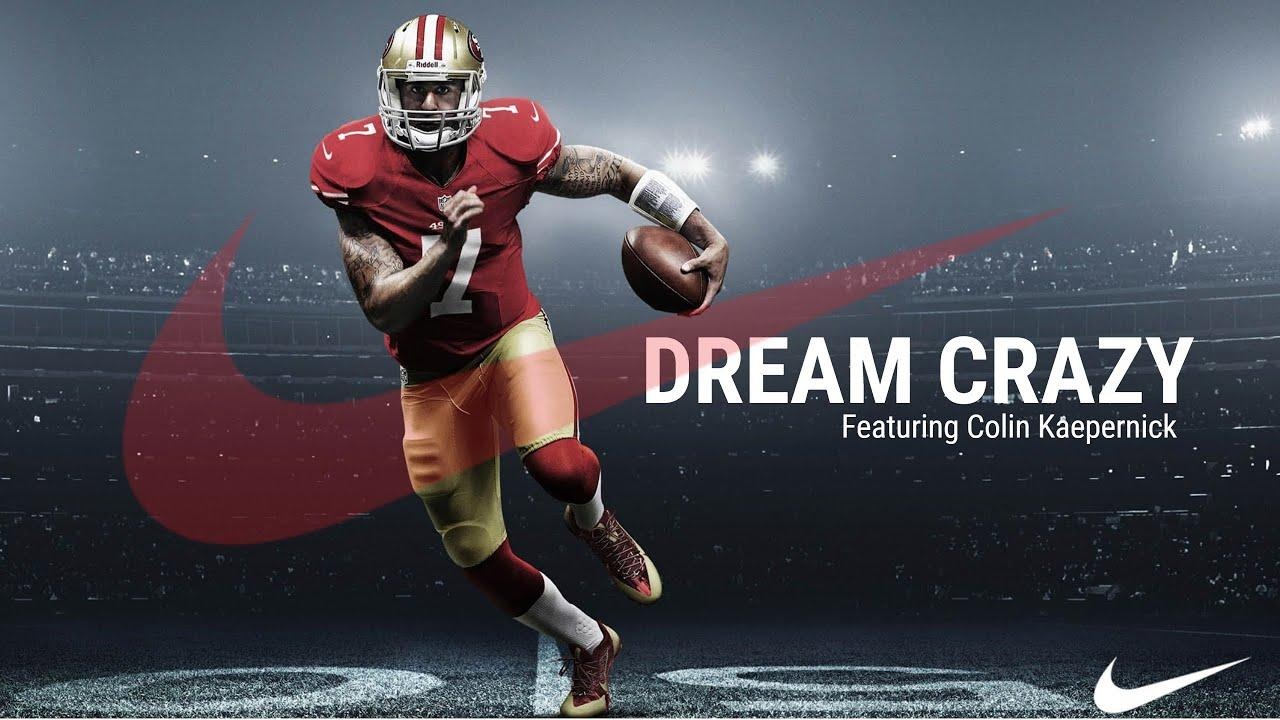
Concept: "Believe in something. Even if it means sacrificing everything." Featured Kaepernick's face, referencing his NFL career sacrifice for social justice activism.
Controversy: Immediate backlash, boycott threats, stock price dip.
Result: $6 billion brand value increase within weeks, 31% online sales growth, Emmy Award for Outstanding Commercial.
Impact: Defined Nike's willingness to take controversial stances aligning with brand values.
Marketing Lesson: Authentic brand activism resonates with core audience despite vocal opposition. Know your customer base before taking positions.
6. "Write the Future" (2010 World Cup)
Concept: Football/soccer players' split-second decisions creating alternate future realities. Cinematic quality featuring Cristiano Ronaldo, Wayne Rooney, others.
Production: Directed by Alejandro González Iñárritu, three-minute short film quality.
Impact: Most-watched online ad ever at time (20+ million views first week). Showcased Nike's commitment to premium creative production.
Marketing Lesson: Investing in exceptional creative quality generates massive earned media and shareability.
7. Serena Williams "Dream Crazier" (2019)
Script: Serena narrating challenges faced by female athletes: "If we show emotion, we're called dramatic. If we want to play against men, we're nuts. And if we dream of equal opportunity, delusional."
Context: Following Kaepernick campaign, continued Nike's progressive positioning.
Impact: Aired during Oscars, massive social conversation, reinforced Nike's commitment to women's sports.
Marketing Lesson: Following through on brand positions with sustained campaigns builds credibility.
8. "Revolution" - Beatles Soundtrack (1987)
Historical Significance: First use of Beatles music in advertising, controversial at time.
Concept: Montage of athletes with "Revolution" playing, associating Nike with counterculture and change.
Impact: Established Nike as rebellious, anti-establishment brand despite commercial nature.
Marketing Lesson: Music selection profoundly impacts brand perception and emotional connection.
9. "Unlimited You" Margot vs. Lily (2016 Olympics)
Concept: French runner Margot Royer racing against animated future version of herself.
Technology: Mixed live-action and animation showcasing potential greatness.
Message: Competing against personal best, not just others.
Marketing Lesson: Innovation in execution (blending live-action and animation) creates memorable differentiation.
10. LeBron James "Together" (2020 COVID)
Context: Pandemic lockdown, sports shutdown, social isolation.
Concept: Athletes training alone at home, message of collective resilience: "We're never alone, we're always together."
Impact: Timely, empathetic response to unprecedented moment. Demonstrated Nike's cultural relevance and responsiveness.
Marketing Lesson: Responding authentically to cultural moments strengthens brand connection.
11. "Da Da Ding" - Women Athletes (2017)
Concept: Diverse female athletes across sports, powerful soundtrack, minimal copy.
Featured: Serena Williams, Simone Biles, Dalilah Muhammad, others.
Message: Confidence, power, strength without apology.
Impact: Continued Nike's investment in women's sports marketing leadership.
12. "You Can't Stop Us" (2020)
Concept: Split-screen technique seamlessly blending 72 athletes from different sports, genders, and abilities.
Message: Unity through sport during divisive times, resilience narrative.
Innovation: Technical achievement in editing, 4,000 hours footage reviewed for matches.
Impact: Most awarded ad campaign ever (including Grand Prix at Cannes), 100+ million views.
Marketing Lesson: Technical innovation serving powerful message creates award-winning work with massive reach.
13. "Find Your Fast" (2020)
Concept: Speed as personal metric, featuring diverse athletes at different speeds and abilities.
Inclusivity: Runners of all paces, abilities, body types.
Message: Athletic achievement defined individually, not comparatively.
Marketing Lesson: Inclusive representation expands market while staying true to athletic focus.
Common Themes Across Successful Nike Campaigns
Inspirational Messaging: Overcoming obstacles, achieving personal greatness, defying expectations
Athletic Excellence: Featuring world-class athletes lends credibility and aspiration
Inclusivity: Evolution from elite athletes to everyday athletes pursuing personal goals
Social Consciousness: Willingness to take controversial positions on important issues
Emotional Storytelling: Moving beyond product features to emotional connection
Innovation: Both in creative execution and in messages challenging conventional thinking
Cultural Relevance: Responding to and shaping cultural conversations, not just following
Impact on Nike's Brand Value
Financial Results
1988 (Just Do It launch): $800 million revenue
2023: $51 billion revenue
Brand value: $30+ billion
Market Position: Dominant athletic wear brand globally, cultural icon beyond sports, premium pricing power maintained
Customer Loyalty: Among highest NPS scores in industry, strong emotional connection, repeat purchase rates
Marketing Lessons from Nike's Success
Consistency with Evolution: Maintain core message (Just Do It) while evolving executions for contemporary relevance.
Embrace Controversy When Authentic: Kaepernick campaign initially divisive but ultimately strengthened brand with core audience.
Invest in Production Quality: Premium creative production generates earned media and shareability multiplying paid media impact.
Feature Diverse Stories: Expansion from elite athletes to everyday athletes broadened market without diluting brand.
Cultural Leadership: Leading conversations rather than following trends establishes Nike as cultural force beyond product.
Long-Term Commitment: Sustained investment in Just Do It platform for 35+ years built unshakable brand association.
Frequently Asked Questions
Why is "Just Do It" so effective? Simple, memorable, action-oriented. Speaks to internal obstacles (excuses, fear) holding people back. Universal application across sports and life. Empowering message of personal agency.
What was Nike's most controversial ad? Colin Kaepernick "Dream Crazy" (2018) generated immediate backlash, boycott threats, and stock decline. However, ultimately strengthened brand value and loyalty with core audience.
How does Nike choose athletes for campaigns? Mix of peak performers (Jordan, Serena, LeBron), rising stars (positioning Nike as talent scout), and everyday athletes (inclusive brand positioning). Authenticity and brand value alignment critical.
Do Nike's social stances hurt sales? Short-term controversy can create temporary negative reactions. However, long-term brand value and loyalty strengthen among core audience. Nike's progressive stances align with younger, diverse, globally-minded consumers.
What makes Nike ads more memorable than competitors? Consistent platform (Just Do It), willingness to take risks, investment in premium creative, emotional storytelling over product features, cultural relevance, athlete credibility.
How has Just Do It evolved over 35+ years? Core message remains constant. Execution evolved from pure athletic excellence to inclusive achievement, from product-focused to purpose-driven, from avoiding controversy to embracing authentic positions.
Conclusion
Nike's "Just Do It" campaign represents advertising's most successful long-term platform, sustaining relevance across 35+ years through consistent messaging combined with evolving executions. The 13 campaigns highlighted demonstrate Nike's willingness to take creative risks, embrace controversy when authentic, and lead cultural conversations rather than following trends.
The campaigns share common themes inspiration, excellence, inclusivity, social consciousness while adapting to contemporary moments and audiences. From Michael Jordan's "Failure" to Colin Kaepernick's "Dream Crazy," Nike has consistently created advertising that transcends product promotion, establishing emotional connections and cultural relevance.
For marketers, Nike's success demonstrates the power of sustained investment in strong platforms, authentic brand positioning, premium creative execution, and willingness to lead rather than follow. The "Just Do It" legacy continues inspiring both athletes pursuing greatness and marketers pursuing advertising excellence.