27 of the Best Sales Books to Up Your Sales Game and Close More Deals

27 of the Best Sales Books to Up Your Sales Game and Close More Deals
Introduction
The best sales professionals never stop learning. Sales books provide frameworks, strategies, mindsets, and tactics from experts who've closed millions in deals and trained thousands of successful reps. Whether you're new to sales or a seasoned veteran, the right books can transform your approach and accelerate your success.
This curated list presents 27 essential sales books across categories fundamentals, prospecting, closing, psychology, leadership, and modern selling with key takeaways from each.
Primary Keyword: Sales books
Secondary Keywords: Best sales books, sales reading list, top sales books, sales book recommendations
Keyword Clusters: Book categories, classic sales books, modern sales books, sales psychology

Foundational Sales Books
1. SPIN Selling by Neil Rackham
Key Insight: Questions are more powerful than presentations. Situation, Problem, Implication, Need-Payoff questioning framework drives consultative selling.
Best For: Complex B2B sales, solution selling.
Why Read: Research-based methodology backed by 12 years of studying 35,000 sales calls
2. The Challenger Sale by Matthew Dixon & Brent Adamson
Key Insight: Challenge customers' thinking rather than just building relationships. Teach, tailor, take control.
Best For: Competitive markets, sophisticated buyers.
Why Read: Data-driven insights from studying thousands of sales reps; challenges conventional wisdom.
3. How to Win Friends and Influence People by Dale Carnegie
Key Insight: Timeless principles of human relations, genuine interest in others, importance of names, and letting others save face.
Best For: Everyone in sales; fundamental relationship building.
Why Read: Published in 1936, still relevant. Essential foundation for sales relationships.
4. To Sell Is Human by Daniel H. Pink
Key Insight: We're all in sales now. Modern selling requires attunement, buoyancy, and clarity.
Best For: Understanding sales in the modern economy.
Why Read: Makes sales relevant beyond traditional roles; backed by research.
5. Little Red Book of Selling by Jeffrey Gitomer
Key Insight: Value, differentiation, and customer focus over manipulation. Practical, actionable advice. Best For: Sales fundamentals, quick reference.
Why Read: Easy-to-digest tips; motivational; practical application

Prospecting and Lead Generation
6. Fanatical Prospecting by Jeb Blount
Key Insight: Consistent prospecting is the foundation of sales success. 30 days to empty the pipeline. Best For: Building and maintaining a pipeline.
Why Read: Emphasises disciplined prospecting activity; multi-channel approach
7. The Sales Development Playbook by Trish Bertuzzi
Key Insight: Building world-class sales development teams and processes.
Best For: SDR managers, building outbound programs
Why Read: Comprehensive guide from industry expert; practical frameworks
8. New Sales. Simplified. by Mike Weinberg
Key Insight: Back to basics, prospecting, targeting, messaging. No excuses.
Best For: Consultative B2B sales.
Why Read: Cuts through complexity; actionable strategies; real-world examples

Closing and Negotiation
9. Never Split the Difference by Chris Voss
Key Insight: FBI negotiation tactics applied to business. Tactical empathy, mirroring, and labelling emotions.
Best For: Negotiation skills, objection handling.
Why Read: Proven techniques from hostage negotiations; immediately applicable
10. Getting to Yes by Roger Fisher & William Ury
Key Insight: Principled negotiation, separate people from problems, focus on interests not positions.
Best For: Win-win deal structures.
Why Read: Classic negotiation framework; timeless principles
11. The Psychology of Selling by Brian Tracy
Key Insight: Understanding buyer psychology, self-image impact on sales success.
Best For: Sales mindset and buyer psychology
Why Read: Combines practical tactics with psychological insights
Modern Sales Methodology
12. Gap Selling by Keenan
Key Insight: Sell the gap between the current state and the future state. Problem-centric selling.
Best For: Consultative complex sales.
Why Read: Fresh perspective on value selling; practical framework
13. The Transparency Sale by Todd Caponi
Key Insight: Buyers expect honesty; transparency builds trust and drives sales.
Best For: Modern buyers doing research
Why Read: Challenges traditional "always be closing"; backed by research
14. Sales EQ by Jeb Blount
Key Insight: Emotional intelligence is the single biggest predictor of sales success.
Best For: Relationship building, communication skills.
Why Read: Combines science with practical application; self-improvement focus
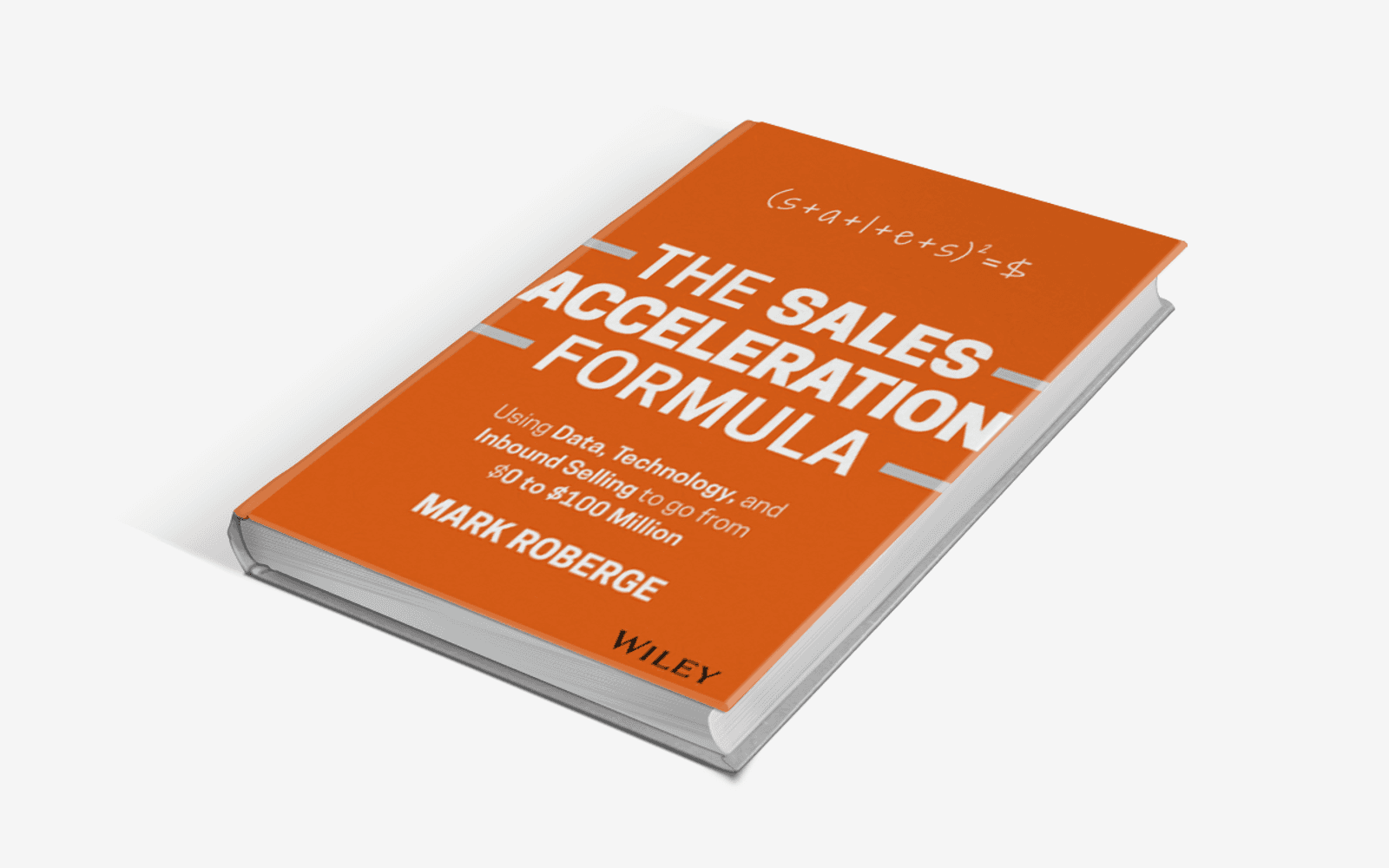
15. The Sales Acceleration Formula by Mark Roberge
Key Insight: Data-driven, scientific approach to building sales machines.
Best For: Sales leaders, scaling sales organisations.
Why Read: HubSpot's VP Sales shares proven scaling methodology
Account Management and Expansion
16. Strategic Selling by Robert B. Miller & Stephen E. Heiman
Key Insight: Understanding different buyer types and navigating complex organizations.
Best For: Enterprise sales, multiple stakeholders.
Why Read: Classic methodology for complex B2B sales
17. Major Account Sales Strategy by Neil Rackham
Key Insight: Strategies for winning and growing large, strategic accounts.
Best For: Enterprise account management
Why Read: The author of SPIN Selling, focuses on the largest opportunities
18. The Customer Success Professional's Handbook by Ashvin Vaidyanathan
Key Insight: Retention and expansion through proactive customer success.
Best For: Account managers, customer success roles.
Why Read: Comprehensive CS framework; expansion strategies
Sales Leadership
19. Cracking the Sales Management Code by Jason Jordan & Michelle Vazzana
Key Insight: Metrics framework for sales leaders, focus on controllable activities. Best For: Sales managers, leadership
Why Read: Data-driven approach to sales management; practical metrics
20. The Sales Manager's Guide to Greatness by Kevin F. Davis
Key Insight: 10 essential skills for leading winning sales teams.
Best For: New sales managers.
Why Read: Comprehensive management framework; coaching focus
21. High-Profit Prospecting by Mark Hunter
Key Insight: Targeted prospecting on ideal customers drives efficiency and results.
Best For: Sales managers building prospecting discipline.
Why Read: Practical prospecting strategies; pipeline management
Mindset and Motivation
22. Go-Givers Sell More by Bob Burg & John David Mann
Key Insight: Paradox of sales, focus on giving value, not getting sales.
Best For: Values-based selling, long-term relationships.
Why Read: Refreshing perspective; story format; uplifting
23. Selling with Noble Purpose by Lisa Earle McLeod
Key Insight: Purpose-driven selling outperforms a quota-driven approach.
Best For: Finding meaning in sales work.
Why Read: Research-backed, inspiring, and practical application
24. The Compound Effect by Darren Hardy
Key Insight: Small, consistent actions compound into remarkable results over time.
Best For: Building successful habits and consistency.
Why Read: Applicable beyond sales; habit formation; persistence
Digital and Social Selling
25. Social Selling Mastery by Jamie Shanks
Key Insight: Leveraging social media (especially LinkedIn) for modern selling.
Best For: B2B social selling.
Why Read: Expert guide to social selling; LinkedIn strategies
26. Inbound Selling by Brian Signorelli
Key Insight: Aligning sales with how modern buyers research and buy.
Best For: Inbound sales processes.
Why Read: HubSpot methodology; modern buyer alignment
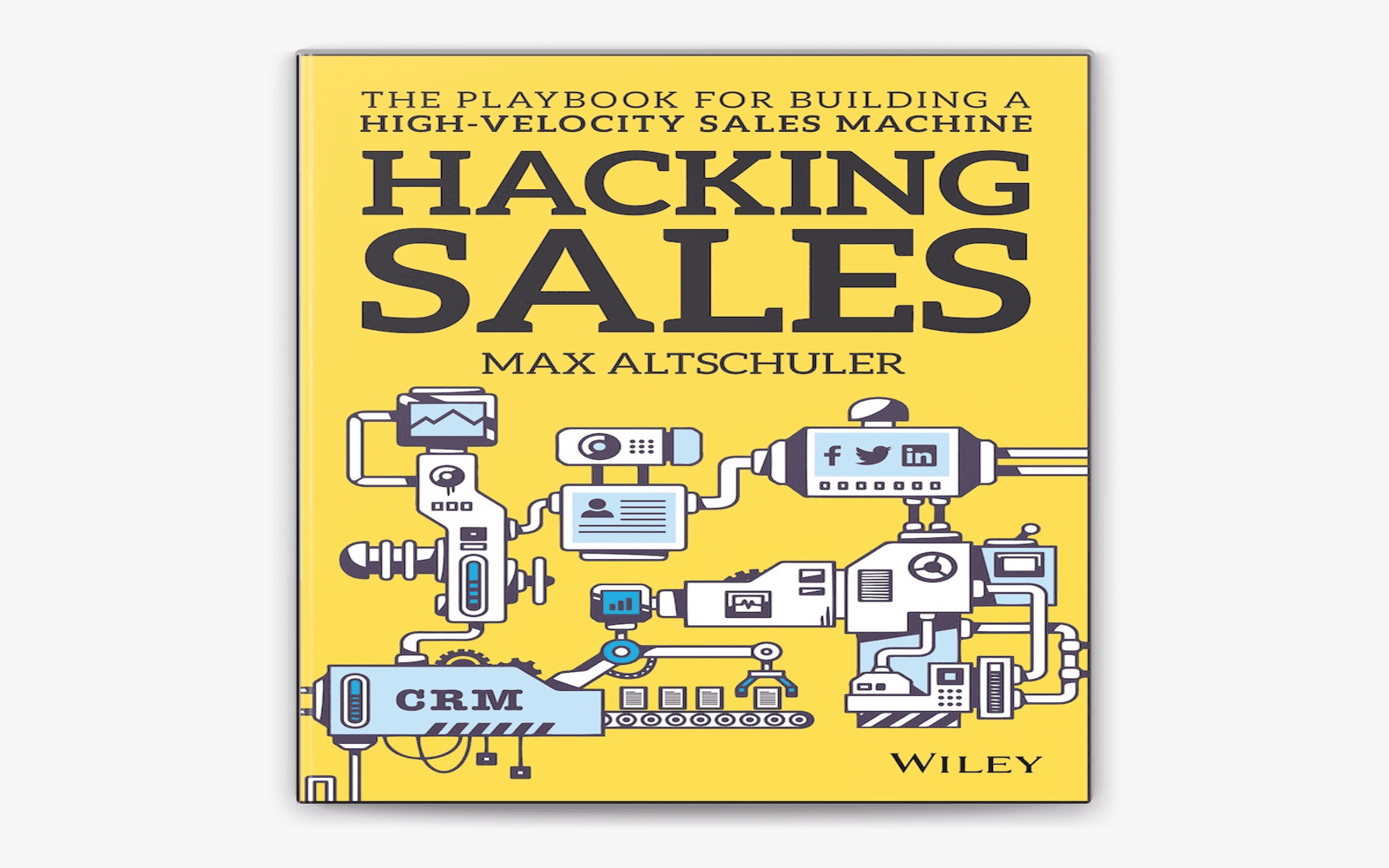
27. Hacking Sales by Max Altschuler
Key Insight: Sales technology stack optimization and best practices.
Best For: Sales ops, technology leverage.
Why Read: Comprehensive sales tech guide; productivity focus
How to Get Maximum Value from Sales Books
Active Reading: Take notes, highlight key passages, write in margins, create action items
Implementation Focus: Choose 1-3 key takeaways per book, implement before reading the next book, measure results
Discussion and Sharing: Book clubs with team, share learnings in meetings, teach concepts to others
Revisit Favourites: Reread annually, different insights at different career stages, reference when facing challenges
Combine Learning: Mix classic and modern, balance tactics and mindset, diversify perspectives
Creating Your Sales Reading Plan
Beginners (0-2 years): Start with: How to Win Friends, SPIN Selling, Fanatical Prospecting, The Psychology of Selling
Experienced Reps (3-7 years): Focus on: The Challenger Sale, Gap Selling, Never Split the Difference, Sales EQ
Sales Leaders: Prioritize: Cracking the Sales Management Code, Sales Acceleration Formula, Strategic Selling
Balanced Annual Plan:
6 books on tactics and methodology
3 books on psychology and mindset
2 books on leadership/management
1 book on adjacent skills (negotiation, communication)
Beyond Reading: Application Strategies
The 1-3-1 Method: Read for 1 hour → Identify 3 key takeaways → Implement 1 immediately
Team Book Studies: Read chapter weekly, discuss together, role-play concepts, share successes
Implementation Tracking: Document what you applied, measure impact, refine approach, teach others
30-Day Challenges: Implement one book's methodology for 30 days, measure before/after, decide to continue or modify
Frequently Asked Questions
What's the best sales book for beginners? Start with "How to Win Friends and Influence People" for fundamentals, then "SPIN Selling" for methodology. These provide foundational principles applicable across sales contexts.
Should I read sales books or focus on practice? Both. Books provide frameworks and strategies; practice builds skills. Best approach: read concepts, apply immediately, measure results, refine.
How many sales books should I read per year? Quality over quantity. 12 books annually (1 per month) with implementation is better than 50 books with no application. Aim for 1 book monthly with active implementation.
Are classic sales books still relevant? Yes. Core principles (relationships, questioning, value, persistence) remain constant. Modern books add tactics for digital age. Mix classic fundamentals with contemporary strategies.
What if I don't like reading? Try audiobooks during commutes, start with shorter books like "Little Red Book of Selling," join team book clubs for accountability, watch author talks/summaries online.
Which book will immediately improve my close rate? "Never Split the Difference" provides immediately applicable negotiation tactics. However, sustainable improvement comes from foundational books like "SPIN Selling" or "The Challenger Sale."
Conclusion
The 27 sales books presented span methodologies, tactics, psychology, leadership, and modern selling approaches. No single book provides all answers, but together they offer comprehensive education from experts who've achieved and taught exceptional results.
Successful sales professionals commit to continuous learning through reading, implementing what they learn, measuring results, and refining approaches. The investment in books typically $15-30 each returns many times over through improved techniques, increased confidence, and higher earnings.
Don't attempt reading all 27 immediately. Select 2-3 books matching your current needs and career stage. Read actively with implementation mindset. Apply concepts immediately. Measure impact. Build a reading habit of 1 book monthly with focus on application over consumption.
The knowledge in these books has generated billions in sales revenue for those who've implemented the lessons. Your investment in learning and application will compound over your career, separating you from competitors who rely solely on experience without structured learning.
Begin your sales reading journey today. Choose one book from this list matching your current needs. Commit to finishing it within 30 days. Implement at least one key takeaway. Track results. Then select your next book and repeat the cycle. Your future sales success will reflect the commitment you make to continuous learning through proven frameworks and expert wisdom.


