Local Citations: Why They Matter for SEO Growth

If you run a startup, visibility only matters where your customers are. A startup based in New Jersey doesn’t benefit from ranking in Hawaii.
What matters is showing up exactly when and where potential customers are searching. It can be in Trenton, New Brunswick, or the surrounding areas.
This principle applies across industries:
Local service businesses (plumbers, landscapers, gyms)
Brick-and-mortar stores
SaaS companies targeting regional clients
Agencies selling local or regional services
For businesses that operate in a defined geography, local citations are a core component of SEO.
They not only signal trust and authority to search engines but also help capture buyers with clear intent.
What Are Local Citations?
Local citations are online mentions of your business’s name, address, and phone number (NAP).
These citations appear across a wide variety of platforms, and they signal to search engines that your business exists, operates in a particular location, and can be trusted to serve local customers.
Common sources include:
Business directories (Google Business Profile, Yelp, Bing Places)
Mapping apps (Google Maps, Apple Maps)
Social media platforms (Facebook, LinkedIn, Instagram)
Industry-specific websites (G2, Clutch, Healthgrades)
Local blogs and media outlets
Search engines use citations to confirm:
Existence – Your business is real and operational
Location – You serve a specific geographic area
Trustworthiness – Consistency across listings builds credibility
In short, local citations act as a digital footprint, verifying your business across multiple touchpoints.
Why Local Citations Matter for SEO

Local citations directly impact local search visibility. Google relies heavily on consistent business information to determine which companies appear in:
Google Maps
Local map packs
“Near me” searches
For SaaS startups and agencies running geo-targeted pages, citations reinforce both location relevance and brand trust.
Key Benefits of Local Citations
Increased Local Visibility
Appearing on trusted local and industry sites puts your brand in front of buyers actively searching. A well-placed citation can increase brand recognition.Improved Local Rankings
Search engines reward businesses whose NAP information is accurate and consistent. The more high-quality citations you have, the higher your chance of appearing in local results.Backlink Support
Many citation sources link back to your website, which strengthens your local organic SEO. Even unlinked mentions (unstructured citations) add credibility signals that influence rankings.Stronger Trust Signals
Seeing the same business details across multiple platforms reduces friction and increases conversions.Competitive Advantage in Local SEO
Startups and agencies often underestimate local SEO. By building structured citations early, you establish an advantage over competitors who are slower to optimize.
Types of Local Citations You Should Build
Not all citations carry equal weight. A balanced local SEO strategy leverages a mix of sources to maximize reach and trust.
1. Business Directories
These form the foundation of local SEO. Examples include:
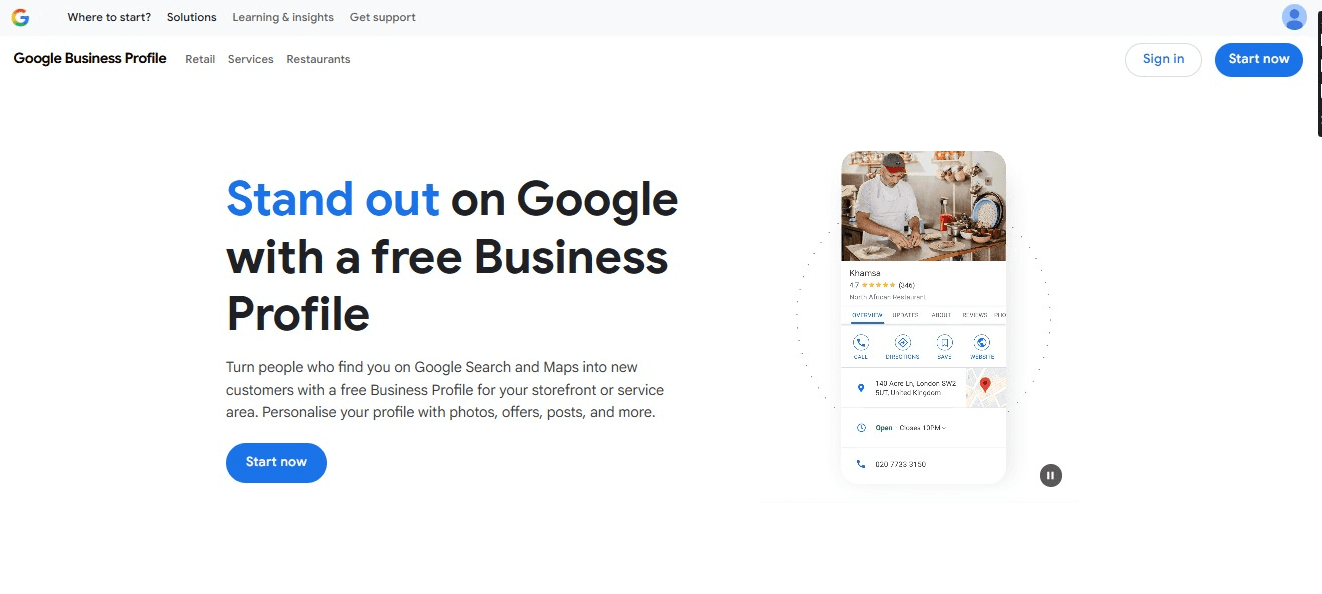
Google Business Profile (GBP)
Yelp
Bing Places
Legacy directories like Yellow Pages
Why these matter: Search engines crawl these platforms frequently, treating them as authoritative sources. Missing core directory listings can stall your local SEO efforts.
Pro Tip: Optimize every directory listing with consistent NAP, hours of operation, high-quality images, and categories that match your business.
2. Social Media Platforms
Social profiles act as both discovery engines and trust signals. Key platforms include:
Facebook
Instagram
LinkedIn
For SaaS startups, social presence also supports demand capture from social-first users. Ensure your profiles display accurate contact information, location, website links, and descriptions.
Example: A local marketing agency on LinkedIn with complete NAP details and location tags may appear in both Google Maps and social search results when prospects search for local agencies.
3. Industry-Specific Directories
These provide topical relevance and often convert better than general directories because users already trust the platform. Examples include:
Clutch (agencies)
G2 (SaaS products)
Healthgrades (healthcare providers)
Psychology Today (mental health professionals)
Listing your business in niche directories signals expertise and authority to both search engines and potential clients.
4. Local Blogs and News Sites
Unstructured citations appear in:
Local features
Event coverage
Business spotlights
Even a simple mention increases authority, and if it includes a link, it strengthens both local SEO and brand visibility.
Example: A local startup featured in a regional news outlet or community blog can improve Google Maps rankings and appear in localized search snippets.
5. Chamber of Commerce Listings
High-trust, easy-to-earn citations. Chamber sites:
Are location-specific
Include full NAP details
Signal legitimacy and credibility
For local startups, membership can be a fast-track trust booster.
6. Maps and Navigation Services
Listings on Google Maps, Apple Maps, and in-car navigation systems directly impact:
Direction requests
Walk-ins
Mobile conversions
Accuracy on these platforms is crucial for hyperlocal discoverability.
7. Data Aggregators
Data aggregators distribute your business information at scale. Platforms like Data Axle, Neustar Localeze, and Foursquare push NAP data to dozens of directories.
Benefits:
Speed up citation building
Reduce manual work
Ensure consistency across multiple platforms
Pro Tip: Aggregators often influence local ranking indirectly by ensuring data uniformity across the web.
How to Build and Manage Local Citations
Citation building isn’t about spamming listings. It’s about coverage, accuracy, and consistency.
Step 1: Start With Core Listings
Claim and optimize the following:
Google Business Profile
Yelp
Bing Places
Facebook
Then expand into local and niche directories relevant to your market.
Step 2: Use Both Structured and Unstructured Citations
Structured citations follow a fixed format (directories), while unstructured citations appear naturally in content (blog posts, news articles).
For SaaS and marketing teams, unstructured citations often come from:
Local PR coverage
Partnerships
Community involvement
Both types are important for ranking and credibility.
Step 3: Maintain NAP Consistency
Inconsistent business data weakens local rankings. Ensure your:
Business name
Address
Phone number
Website
…match exactly across your website, GBP, directories, and social profiles. Even minor differences (like “St.” vs “Street”) can confuse search engines.
Step 4: Use Citation Management Tools
As your business grows, manual updates don’t scale. Tools help you:
Detect and fix duplicates
Push bulk updates
Monitor accuracy
Find new citation opportunities
Popular tools: BrightLocal, Yext, Uberall
Step 5: Optimize for SaaS and Regional Services
For SaaS companies targeting specific regions, citations support:
City-based landing pages
Local trust signals
AI-generated search summaries
Map pack eligibility (if physical offices exist)
Even digital-first businesses benefit when regional buyers search for local solutions.
Common Local Citation Mistakes and How to Avoid Them
Even experienced marketers often stumble when building local citations. Small mistakes can undermine SEO efforts, reduce visibility, and confuse potential customers. Knowing what to avoid is as important as knowing what to build.
1. Duplicate Listings
Duplicate entries across directories create confusion for search engines and users. Google may split ranking signals between duplicates, weakening your overall authority.
Solution:
Use citation management tools like BrightLocal or Yext to detect duplicates.
Manually claim and merge duplicates in high-authority directories.
Keep a central spreadsheet to track all listings and URLs.
2. Inconsistent NAP Data
Even small differences can lower rankings and reduce trust.
Solution:
Audit your NAP regularly.
Use identical formatting across your website, directories, and social profiles.
Set reminders to update any changes immediately.
3. Ignoring Niche or Industry-Specific Directories
Focusing only on general directories like Google Business Profile or Yelp misses a huge opportunity for targeted visibility and trust.
Solution:
Identify high-authority industry directories relevant to your business.
Examples: Clutch for agencies, G2 for SaaS, Healthgrades for healthcare providers.
Prioritize accuracy and completeness of listings on these platforms.
4. Missing or Incorrect Category Tags
Selecting the wrong business category reduces your chances of appearing in relevant searches.
Solution:
Choose the most specific category that fits your business.
Some platforms allow multiple categories. Use them wisely without overloading.
5. Neglecting Review Management
Citations with no reviews or low-quality reviews are less trusted by Google and users.
Solution:
Encourage authentic customer reviews.
Respond promptly to reviews to show engagement and credibility.
Monitor review velocity, consistent activity signals authority.
6. Outdated Media or Broken Links
Old images, missing logos, or broken website links reduce trust and may lower your local SEO impact.
Solution:
Update photos, videos, and logos quarterly.
Check links regularly and fix any broken or outdated URLs.
By proactively avoiding these mistakes, your citations become stronger SEO signals, improve user trust, and increase the chance of showing up in local map packs and search results.
Citation Best Practices
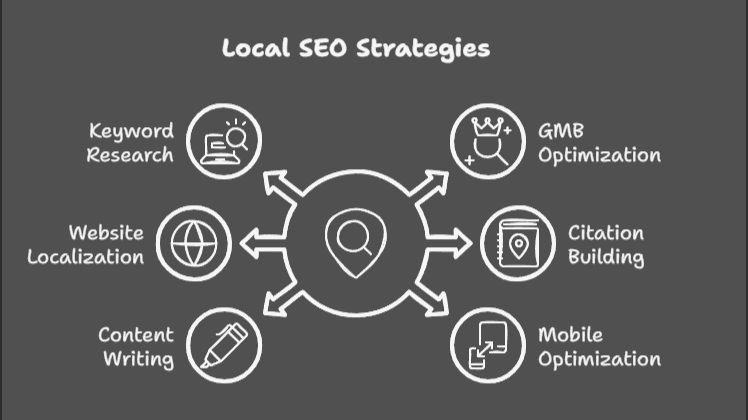
Keyword Research
Website Localization
Content Creation
GMB Optimization
Citation Building
Mobile Optimization
Case Study: Local SaaS Startup
Scenario: A SaaS project management tool based in Austin, Texas wanted to target regional businesses.
Actions Taken:
Claimed Google Business Profile and Bing Places
Listed on Clutch, G2, and local business directories
Engaged with local tech blogs and chamber newsletters
Ensured NAP consistency across all listings
Results:
Appeared in the local map pack for “project management software Austin”
Increased inbound demo requests by 35% within 90 days
Boosted brand authority with multiple AI-driven review mentions
Measuring Local Citation Impact
Track performance using:
Local pack impressions in Google Search Console
Click-throughs to maps and direction requests
Conversion from local landing pages
Branded search growth in target regions
Review velocity and sentiment analysis
Even if visitors do not click directly from citations, brand awareness and trust grow exponentially through repeated mentions.
Leveraging Local Citations for Competitive Advantage

Building citations is essential, but strategically using them to outperform competitors takes local SEO to the next level. Smart startups don’t just claim listingsthey use citations as a growth lever.
1. Competitor Citation Analysis
Knowing where competitors appear helps you identify gaps and opportunities.
How to do it:
Use tools like BrightLocal, Moz Local, or Whitespark to analyze competitor listings.
Identify high-authority platforms where competitors are cited but you are not.
Prioritize those platforms to capture search visibility they are currently leveraging.
Example: If Competitor A dominates Yelp and Clutch but has no local blog mentions, you can gain an edge by getting featured in local media and PR outlets.
2. Identify Citation Gaps in Your Market
Some directories or local blogs may be underutilized in your niche. Filling these gaps can improve visibility faster than competing on crowded platforms.
Actionable Tip:
Map the top 10 competitors in your city or region.
Create a table showing which directories, review sites, and local mentions they have.
Target platforms where your competitors are weak or missing.
3. Dominate Map Packs and “Near Me” Searches
Local citations combined with accurate NAP and positive reviews increase the likelihood of appearing in Google’s map pack. A highly visible position above organic results.
Strategy:
Ensure citations are complete and consistent.
Encourage authentic, recent reviews on core directories.
Include keywords and location in directory descriptions to match search intent.
4. Link Citation Strategy to Local Content Marketing
Citations can amplify local content campaigns.
Example tactics:
Partner with local blogs, chambers of commerce, or event sites to get featured mentions.
Include links to city-specific landing pages.
Combine citations with local PR coverage to increase authority and trust.
5. Encourage Customer-Driven Citations
Your customers can become your best promoters.
How:
Ask clients to leave reviews or mention your business in local forums or blogs.
Offer simple instructions to make it easy: links, screenshots, and templates help.
Highlight their contributions in your content marketing.
Strategic citation building doesn’t just help your SEO.
It actively pushes competitors out of top local positions, reinforces brand authority, and turns local search intent into measurable growth.
Final Takeaway
Local citations are a foundational local SEO signal. They:
Help search engines trust your business
Reinforce your location and relevance
Increase conversions by reducing friction
Provide a competitive advantage for startups and SaaS companies targeting regional markets
For marketers focused on regional growth, local citations turn local intent into predictable demand.
In short: if your business serves a specific area, citations are not optional, they’re essential.
FAQs
1. Are local citations only important for brick-and-mortar businesses?
No. While local citations are critical for physical locations, they also benefit SaaS companies, agencies, and service providers targeting specific regions. Citations help search engines associate your brand with a geographic area, even if your services are delivered digitally.
2. How many local citations does a business need to rank locally?
There is no fixed number. Quality, relevance, and consistency matter more than volume. A business with accurate listings on core directories and several industry-specific and local citations can outperform competitors with hundreds of low-quality listings.
3. Do local citations still matter if my business already ranks organically?
Yes. Citations support map pack rankings, “near me” searches, and branded trust signals. Even strong organic rankings can drop locally if citations are inconsistent or missing across authoritative platforms.
4. What’s the difference between structured and unstructured citations?
Structured citations appear in fixed formats like directories and listing sites. Unstructured citations are mentions in blog posts, news articles, or local features. Both help local SEO, but unstructured citations often carry stronger authority signals.
5. How long does it take for local citations to impact SEO?
Most businesses see improvements within 30–90 days. Core directories update faster, while niche directories, aggregators, and unstructured citations take longer to be crawled and reflected in rankings.
6. Can inconsistent NAP data hurt my local rankings?
Yes. Inconsistent name, address, or phone number details confuse search engines and weaken trust signals. Even small differences can reduce your visibility in map packs and local results.
7. Are paid citation tools worth it for startups?
For early-stage startups, manual citation building may be enough. As the business scales, tools like BrightLocal or Yext save time, prevent duplicates, and maintain consistency across dozens of platforms—making them cost-effective in the long run.
8. How do local citations help with AI-driven search and LLM visibility?
AI-powered search systems rely on consistent, trusted data sources. Local citations reinforce entity recognition, geographic relevance, and brand authority, increasing the likelihood of being mentioned in AI-generated answers and recommendations.