How to Drive Sales Through Google’s AI Mode and ChatGPT
If you’re still measuring success by clicks alone, you’re missing the bigger picture.
For over a decade, digital marketing success was measured by rankings, traffic, and click-through rates. The assumption was simple: more clicks meant more opportunities to convert. But that assumption no longer holds.
Generative AI tools like Google’s AI Mode, ChatGPT, Perplexity, Bing Copilot, and Gemini have fundamentally changed how people search, evaluate, and make buying decisions. Users are no longer navigating the web one link at a time.
Instead, they ask a question and receive a synthesized answer, often complete with recommendations, comparisons, and next steps. In many cases, the buying decision happens before a website is ever visited.
This shift doesn’t just change SEO. It changes sales strategy. Today, brands are either:
Included directly in AI-generated answers, or
Excluded entirely from the decision-making process
There is no middle ground.
For founders, SaaS marketers, and growth teams who understand this shift, generative AI represents one of the largest sales leverage opportunities since search itself.
This guide explains how AI-driven discovery works and how it compresses the sales funnel, that drive revenue, not just visibility, through Google’s AI Mode and ChatGPT.
Key Takeaways
Generative AI compresses the sales funnel, merging discovery, validation, and recommendation into a single interaction
ChatGPT and Google AI Mode actively shape buyer intent, not just awareness
AI visibility depends on citations, structure, and trust signals, not keyword rankings alone
Mid-funnel tools like quizzes, calculators, and recommendation engines increase both conversions and AI citations
Brands that optimize for AI-driven sales now will dominate the next phase of digital growth
How Generative AI Is Changing the Sales Funnel
Traditional digital funnels were built around friction. A buyer would:
Search a query
Scan a list of links
Click several websites
Compare features and pricing
Read reviews
Eventually make a decision
Every step introduced friction, and friction created opportunities for marketers to influence behavior with landing pages, CTAs, and retargeting. Generative AI removes most of that friction.
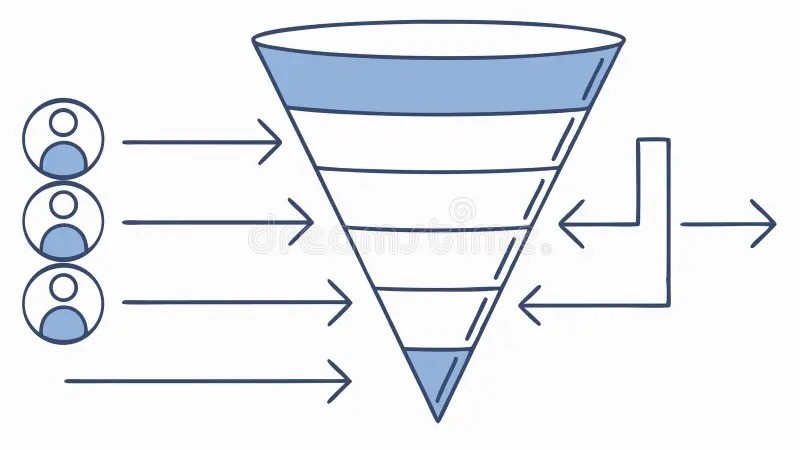
The New AI-Native Funnel
Today’s buyer journey increasingly looks like this:
Question → AI Answer → Recommendation → Decision
Instead of comparing ten tabs, users rely on AI to summarize:
What the options are
How they differ
Which one is best for their situation
The AI becomes both research assistant and trusted advisor. This dramatically shortens the path to purchase, and raises the stakes for visibility.
The Data Behind the Shift
This behavioral change is backed by real usage data:
44% of users say they would purchase based on AI recommendations (GWI)
80% of AI-generated answers reference five or fewer sources (Bloomreach)
Perplexity processes over 1 million commercial queries per day (iPullRank)
These numbers reveal a critical truth: You don’t need to dominate search results. You need to be one of the few sources AI chooses to trust. If your brand isn’t part of that small reference set, you effectively disappear at the moment of intent.
AI Doesn’t Just Drive Traffic - It Drives Decisions
One of the most dangerous misconceptions marketers hold is believing that AI visibility only matters if it sends clicks. That’s no longer true. Generative AI often resolves intent without sending users to a website. But influence still happens.
AI shapes:
Brand perception
Shortlists and comparisons
Confidence in a decision
Willingness to purchase
When ChatGPT says, “Most teams choose Tool A because it’s easier to implement and scales better,” that single sentence can influence thousands of buying decisions, without a single click being recorded.
This is zero-click influence, and it’s now a core sales channel.
How AI Builds Trust and Authority
AI systems are conservative by design. They avoid making strong claims unless those claims are supported by multiple trusted signals.
AI models look for:
Consistency across sources
Clear explanations and conclusions
Structured, factual content
Third-party validation
This is why a brand mentioned in a credible comparison article, a Reddit discussion, and a YouTube demo often outranks a brand with a beautiful website but no external footprint.
Trust is inferred, not declared.
Where Google AI Mode and ChatGPT Pull Information From
Understanding where AI gets its information is essential to influencing outcomes.
Common source types include:
Long-form blog posts and guides
Product comparison pages
Affiliate review sites
YouTube demos, walkthroughs, and tutorials
Reddit threads and forum discussions
FAQs, documentation, and help centers
AI tools don’t just read your homepage. They synthesize the entire ecosystem around your brand. If your product only exists on your own site, AI has little reason to trust it.
How to Reverse-Engineer AI Answers in Your
Before creating new content, you need to understand how AI already frames your market.
Generative AI doesn’t invent narratives from scratch. It synthesizes existing ones. That means your first job is not creation, it’s observation.
Step 1: Run High-Intent Prompts
The Power of Consensus
AI prefers consensus over novelty. A brand mentioned:
Once on a single website
Versus consistently across multiple trusted sources
Designing Content for AI-Driven Sales

To drive sales through AI platforms, your content must be designed for answer extraction, not just browsing. The primary goal is no longer ranking, it’s citation.
Structure Beats Length
AI systems favor content that is:
Clearly structured
Easy to scan
Explicit in its conclusions
High-performing formats include:
Comparison tables
Step-by-step how-to guides
“Best X for Y” articles
FAQ-style pages targeting high-intent questions
Use-case-specific landing pages
Long, narrative-heavy content without structure is harder for AI to parse and summarize.
How to Build AI-Ready Comparison Pages That Actually Convert
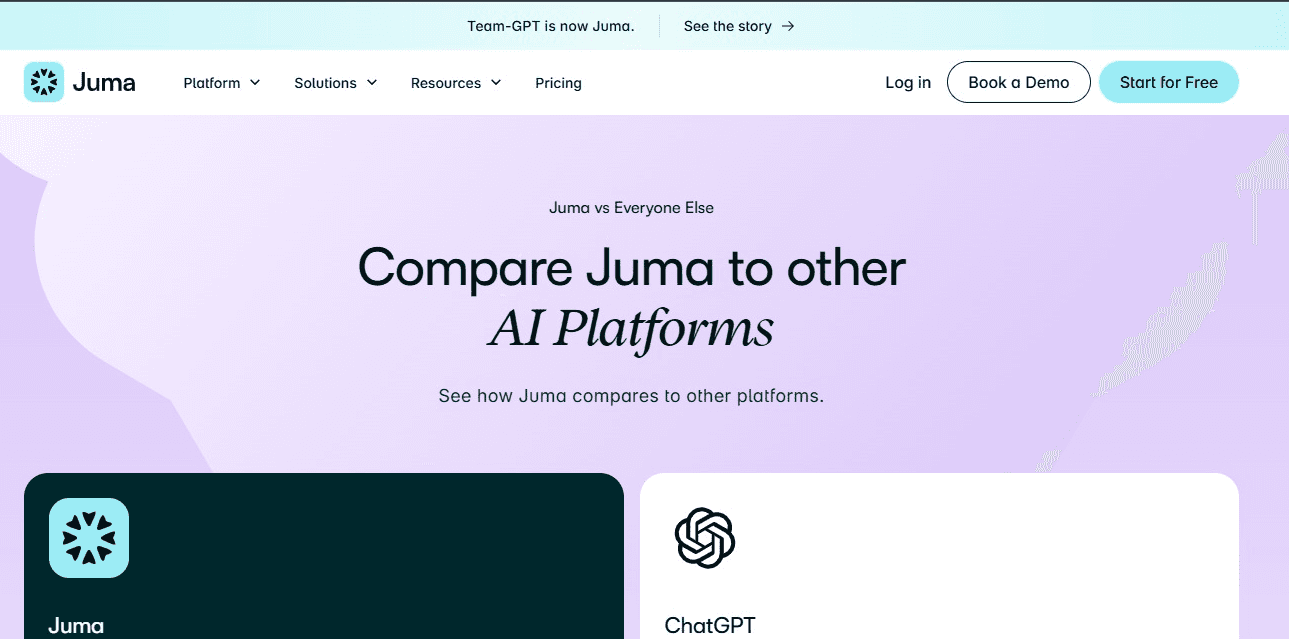
Comparison pages are one of the highest-impact assets in AI-driven sales. Why? Because AI frequently answers questions like:
“Which tool is better for X?”
And it needs structured, neutral-looking data to do that confidently.
What Makes a Comparison Page AI-Friendly
Effective AI-ready comparison pages share a few traits:
Clear product names in headings
Side-by-side tables
Explicit pros and cons
Contextual recommendations (not generic verdicts)
Avoid fluffy copy. AI prefers factual clarity over marketing enthusiasm.
The Ideal Structure: A high-performing comparison page should include:
Who this comparison is for
Quick verdict summary
Feature comparison table
Strengths and weaknesses
Best use cases for each option
Final recommendation based on scenarios
For example:
“Tool A is better for early-stage teams prioritizing speed. Tool B is better for enterprise teams with complex workflows.”
That sentence alone is highly quotable by AI systems.
Conversion Still Matters
AI visibility without conversion is wasted leverage. Strong comparison pages also:
Capture bottom-of-funnel intent
Rank for branded search
Shorten sales cycles
Reduce sales objections
When AI sends or influences a buyer toward your comparison page, they often arrive ready to decide.
Write Like an AI Will Quote You
A useful exercise when creating content:
“If an AI had to quote one paragraph from this page, which one would it choose?”
That paragraph should:
Answer the question directly
Mention your brand naturally
Explain why it’s a good choice
Avoid vague marketing language. AI prefers clarity over persuasion.
The Role of Trust Signals in AI Visibility
Trust signals help AI assess whether content is safe to recommend.
Effective trust signals include:
Author bios with credentials
Expert quotes or interviews
Screenshots, demos, or product visuals
Customer testimonials and reviews
Certifications, compliance badges, or guarantees
Pages that lack trust indicators are less likely to be cited, regardless of how well-written they are.
Owning the Mid-Funnel With Interactive Tools
One of the most overlooked AI optimization strategies is building interactive mid-funnel assets.
AI frequently cites tools that help users make decisions, such as:
Product recommendation quizzes
ROI or cost calculators
Fit-assessment tools
Comparison engines
These tools solve a concrete problem:
“Which option is right for me?”
That makes them incredibly valuable to both users and AI systems.
Why AI Loves Mid-Funnel Tools
Interactive tools:
Produce structured outputs
Clarify user intent
Reduce uncertainty
Are easily referenceable
For example: “Based on your team size, budget, and goals, Tool X is the best fit.”
This type of output is exactly what AI platforms aim to provide, making your tool a natural citation source.
Conversion Benefits of Mid-Funnel Tools
Beyond AI visibility, these tools dramatically improve conversion rates.
They:
Increase engagement time
Collect first-party data
Segment users automatically
Pre-qualify leads
Users who complete a quiz or calculator arrive mentally committed. They’ve already invested effort into the decision, making conversion friction much lower.
Be Present Where AI Pulls Answers
AI doesn’t just crawl websites. It observes the broader digital ecosystem.
To increase visibility:
Get featured in product roundups
Collaborate with credible publishers
Encourage authentic Reddit discussions
Publish YouTube demos and tutorials
Submit your product to curated directories
Every credible mention increases your probability of being included in AI answers.
Off-Site Presence Creates Authority Gravity
You don’t need hundreds of backlinks.
You need strategic mentions in trusted environments.
A brand referenced across:
One authoritative blog
One comparison article
One Reddit thread
One YouTube demo
Is far more likely to appear in AI-generated answers than a brand with no off-site footprint.
Serve AI Crawlers and Human Buyers
Many traditional SEO principles still apply, but intent has changed.
Best practices that still matter:
Titles written as questions
Meta descriptions that summarize answers
Alt text for images
Snippet-friendly formatting
Schema markup (FAQ, Product, Review)
The best pages today are machine-readable and conversion-focused.
Measuring Sales Impact From AI
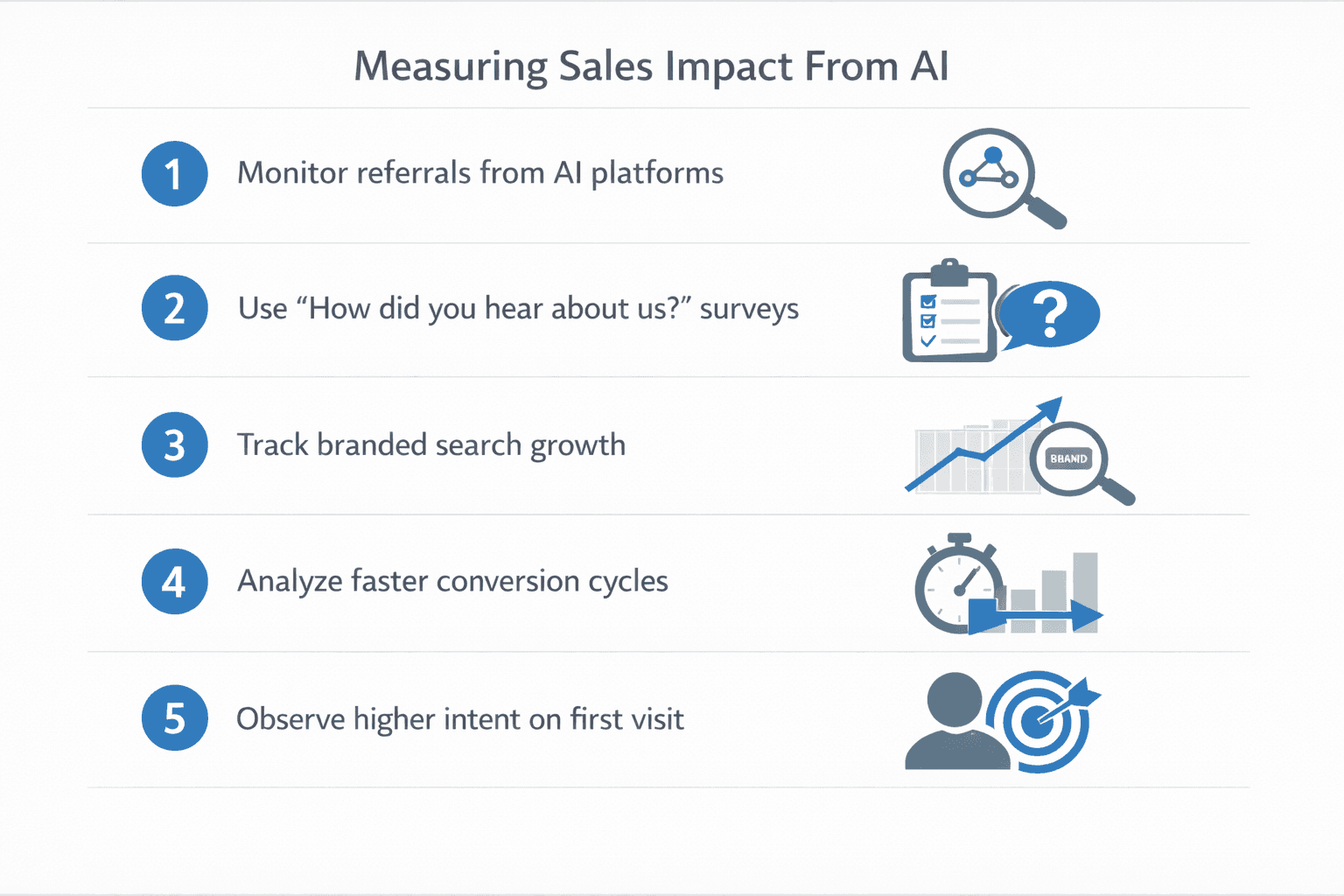
AI-driven influence doesn’t always show up as last-click attribution, but it is measurable.
Ways to track impact:
Monitor referrals from AI platforms
Use “How did you hear about us?” surveys
Track branded search growth
Analyze faster conversion cycles
Observe higher intent on first visit
Visitors influenced by AI are often pre-sold. Your job is to remove friction and close.
Common Mistakes to Avoid
Even experienced marketers make predictable mistakes:
Chasing traffic instead of influence
Ignoring affiliate and review ecosystems
Treating AI as “just another SEO update”
Publishing unstructured, narrative-heavy content
Focusing only on owned channels
AI platforms are not search engines. They are decision engines.
The New Sales Advantage
AI-driven sales reward leverage.
You don’t need:
Massive ad budgets
Endless content volume
Large teams
You need:
Clear positioning
Structured answers
Strategic citations
High-intent tools
One strong AI citation can influence more buyers than months of paid traffic.
A 90-Day Playbook to Win AI-Driven Sales
You don’t need to do everything at once. AI visibility compounds. Here’s a simple 90-day roadmap.
Days 1–30: Foundation
Audit how AI answers queries in your category
Identify top comparison and review sources
Publish 2–3 structured, high-intent pages
Add trust signals across key content
Days 31–60: Distribution
Pitch inclusion in relevant comparison articles
Encourage authentic Reddit and community discussions
Publish at least one YouTube demo or walkthrough
Launch one mid-funnel interactive tool
Days 61–90: Optimization
Improve pages that AI already references
Expand FAQs based on real buyer questions
Align sales scripts with AI-influenced intent
Track branded search and conversion velocity
This approach builds durable visibility, not temporary traffic spikes.
Final Thoughts
The customer journey has fundamentally changed.
With Google’s AI Mode and ChatGPT, buyers:
Discover
Compare
Validate
Decide
Before they ever visit a website. Winning now means:
Becoming the answer, not the link
Designing content for AI extraction and trust
Owning the mid-funnel with interactive tools
Building authority across the wider web
AI is no longer a trend. It’s a core sales channel. Brands that adapt now will compound trust, visibility, and revenue, while others fight for clicks that no longer matter.
FAQs
1. How is AI-driven discovery different from traditional SEO?
Traditional SEO focuses on rankings and clicks. AI-driven discovery focuses on influence. Instead of sending users to multiple websites, AI tools synthesize answers and recommendations directly. If your brand isn’t cited in those answers, you’re excluded from the decision process, regardless of rankings.
2. Can generative AI really influence buying decisions without website visits?
Yes. Many users now make shortlists or final decisions based solely on AI-generated answers. Even when no click happens, AI still shapes perception, trust, and preference. This is known as zero-click influence, and it’s now a core part of the sales funnel.
3. What types of content are most likely to be cited by AI tools like ChatGPT or Google AI Mode?
AI systems prefer content that is:
Clearly structured
Neutral and factual in tone
Explicit in its conclusions
Supported by trust signals
High-performing formats include comparison pages, FAQs, “best for X” guides, documentation, and step-by-step explanations.
4. How do AI platforms decide which brands to recommend?
AI looks for consensus across trusted sources. Brands mentioned consistently in credible blogs, comparison articles, forums, videos, and documentation are more likely to be cited than brands that only exist on their own website. Trust is inferred from the broader ecosystem.
5. Does AI visibility replace the need for conversion optimization?
No. AI visibility without conversion is wasted leverage. AI often delivers pre-qualified buyers who are ready to decide. Your website, comparison pages, and mid-funnel tools must remove friction and help users finalize the decision quickly.
6. Why are comparison pages so important for AI-driven sales?
Comparison pages align perfectly with how AI answers questions like “Which tool is better for X?” Structured tables, clear pros and cons, and scenario-based recommendations make it easy for AI to quote your content and guide buyers toward a decision.
7. How do interactive tools like quizzes and calculators help with AI visibility?
Interactive tools clarify intent and produce structured outputs, which AI systems love. They also improve conversions by helping users self-select the best option. This makes them powerful assets for both AI citations and mid-funnel sales acceleration.
8. How can brands measure revenue impact from AI if clicks are declining?
AI influence shows up indirectly. Key indicators include:
Growth in branded search
Faster sales cycles
Higher intent on first visit
“Heard about us via ChatGPT/AI” survey responses
Increased demo-to-close rates
AI-driven buyers often arrive already convinced.