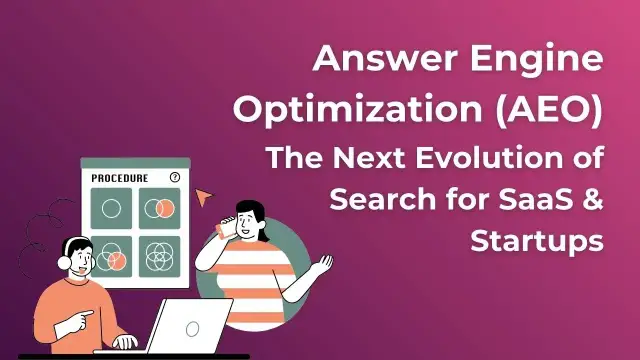
Answer Engine Optimization (AEO): The Next Evolution of Search for SaaS & Startups
Search is changing fast. The way people discover information online no longer looks the same as it did even a few years ago.
With generative AI reshaping how users search, marketers are being forced to rethink traditional SEO strategies. Keyword rankings still matter, but they are no longer enough to win visibility.
Today, users want direct answers, not ten blue links and endless scrolling. This shift has given rise to Answer Engine Optimization (AEO), a strategy focused on visibility inside AI-driven answer engines.
For SaaS companies, startups, and digital-first brands, AEO is quickly becoming a serious competitive advantage. Those who adapt early will dominate attention, while others slowly lose visibility without realizing why.
What Is Answer Engine Optimization (AEO)?
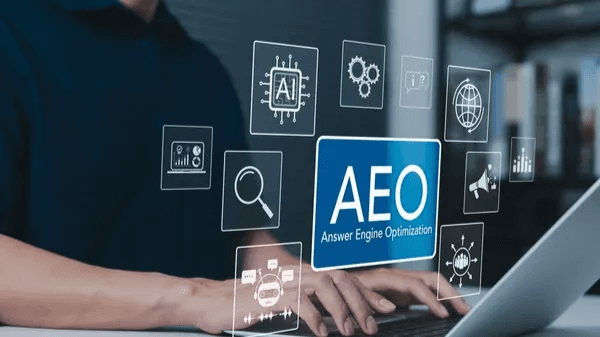
Answer Engine Optimization (AEO) is the process of optimizing content so AI-powered systems can understand it, extract it, and deliver it as a direct answer. Instead of ranking entire pages, answer engines prioritize clarity, intent, and usefulness.
These systems don’t just list results. They generate complete responses, often without requiring users to click a link. In simple terms: SEO helps users find your page, while AEO helps AI quote your content as the answer.
This distinction is critical. As search becomes more conversational, the “best answer” often matters more than the “best ranking.” AEO focuses on helping machines interpret your content the same way humans do. Clear definitions, logical structure, and direct explanations are what make content eligible to be surfaced as answers.
Why AEO Matters in Modern Search
Search behavior has fundamentally changed. Users no longer type fragmented keywords into search bars. Instead, they ask full, natural-language questions like:
“What is AEO in SEO?”
“How do AI search engines work?”
“Best way to optimize content for ChatGPT?”
This shift is driven by several major trends.
Voice search has normalized spoken queries. AI chatbots have trained users to expect instant, conversational answers. Generative search experiences now summarize information directly on the results page.
Answer engines meet users where they are. Fast, conversational, and intent-driven.
If your content can’t be easily understood, summarized, and trusted by AI, it will be skipped. Visibility now depends on usefulness, not just optimization tricks.
Types of Answer Engines You Need to Optimize For
Answer engines exist across multiple platforms and interfaces. Each one pulls data differently, but all reward clarity, structure, and intent-focused content.
1. Generative AI Chatbots

Tools like ChatGPT, Gemini, and Claude generate conversational responses.
They favor content that includes:
Clear definitions
Structured explanations
Logical flow
Trusted and authoritative sources
These systems synthesize information rather than listing pages. If your content explains a concept cleanly, it has a higher chance of being referenced or paraphrased.
2. Voice Assistants
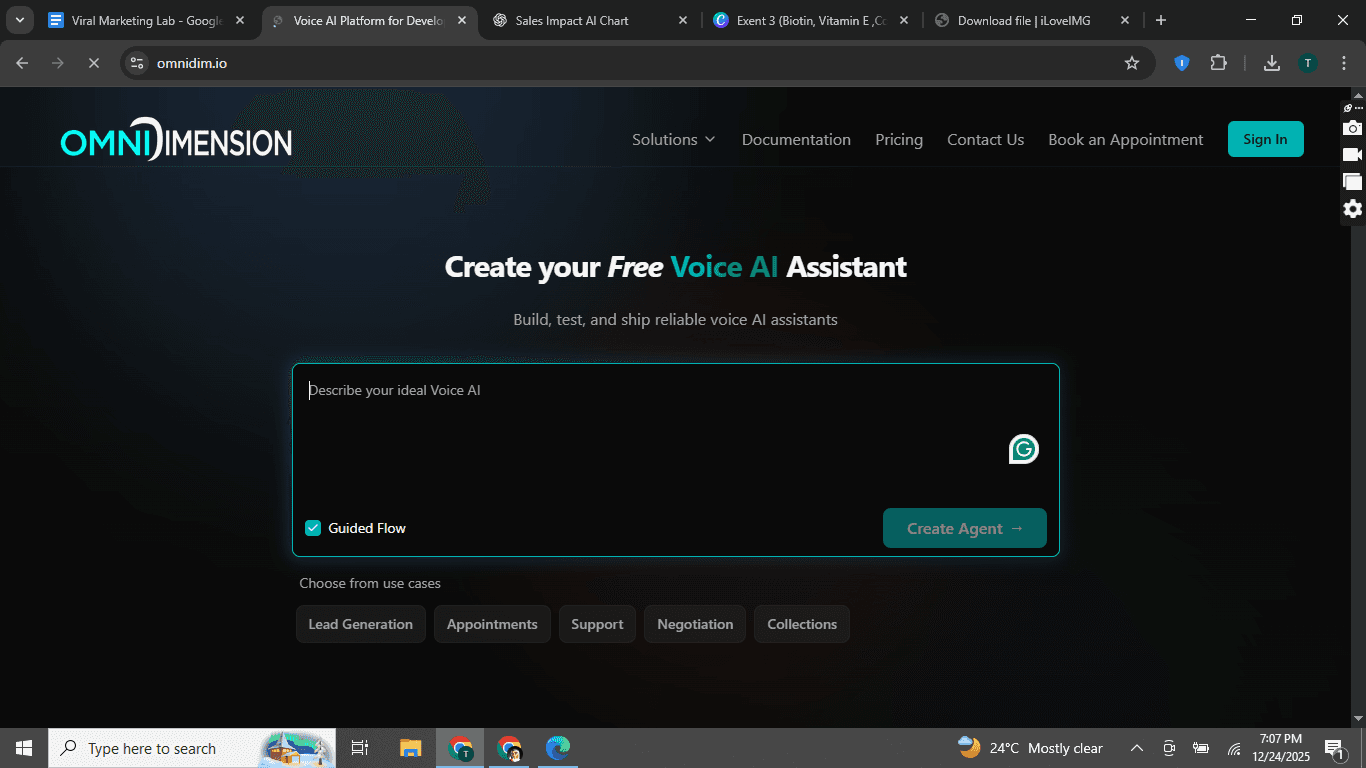
Google Assistant, Alexa, and Siri rely heavily on spoken-style answers. They prefer content written in natural language.
Key characteristics include:
Short, complete sentences
Question-and-answer formatting
Simple explanations that sound natural when spoken
Voice search leaves no room for fluff. Only the most concise and relevant answers survive.
3. AI-Powered Search Results
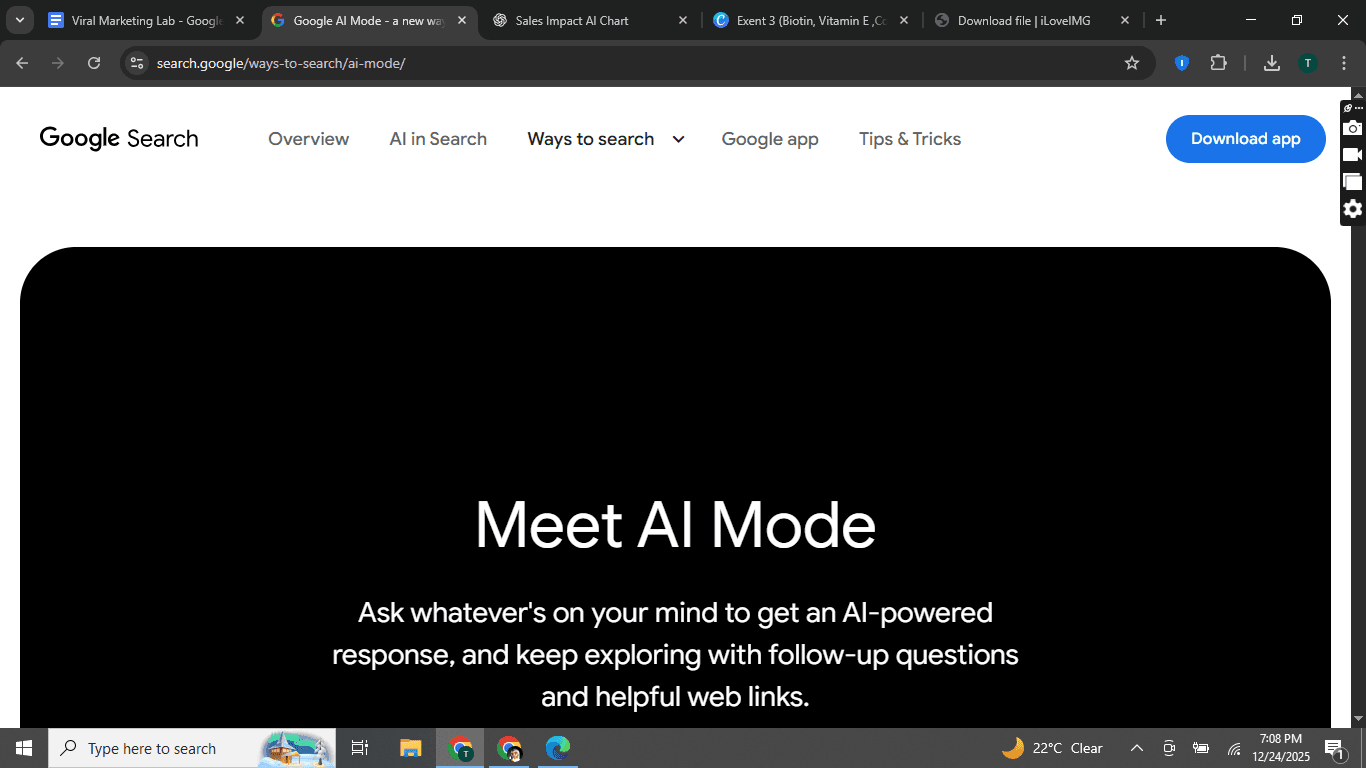
Platforms like Google SGE and Microsoft Copilot summarize answers directly on the SERP. This often reduces clicks to traditional organic listings. Users get what they need without scrolling. Brands that are cited inside these summaries gain visibility even without traffic.
4. Multimodal Answer Engines
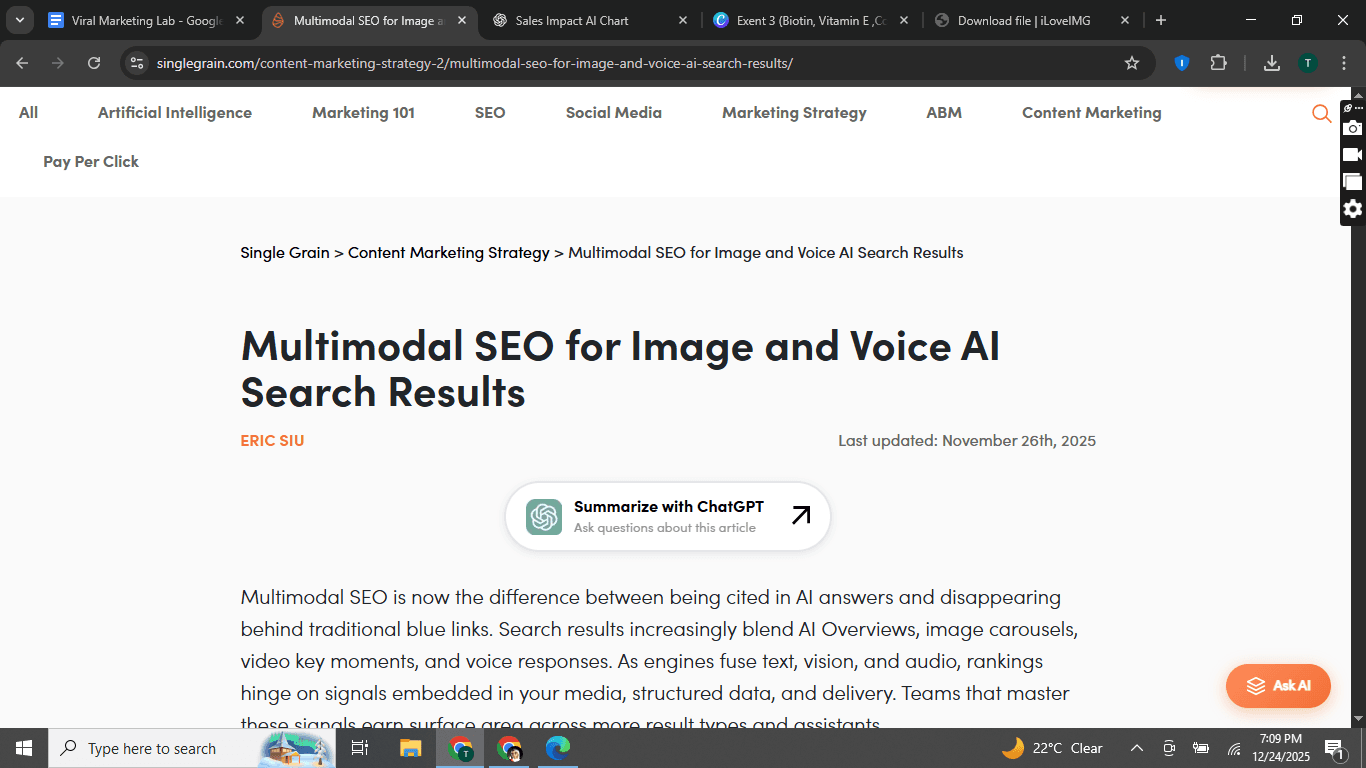
Tools like Perplexity AI and Google Lens combine text, images, and citations. They deliver richer responses by pulling from multiple content types.
Across all answer engines, speed and clarity win. The faster your content delivers value, the more likely it is to be selected.
How Answer Engines Actually Work
Answer engines don’t guess. They follow a clear, repeatable process.
First, they interpret the question, not just the keywords. Understanding intent is more important than matching exact terms. Next, they analyze context. Is the query informational, transactional, or navigational?
Then, they scan trusted sources to:
Extract factual information
Identify consensus explanations
Summarize content into a coherent response
Finally, they generate a single, confident answer. That answer may be quoted, paraphrased, or synthesized. Your job with AEO is to make that answer come from you. Clarity increases the odds of selection.
What Is Search Engine Optimization (SEO)?

Search Engine Optimization (SEO) focuses on helping web pages rank higher in search engine results pages (SERPs). It is designed to attract clicks and drive traffic to websites. Traditional SEO involves several core components:
Keyword research
On-page optimization
Technical SEO
Backlinks and authority
Site performance and UX
SEO works by aligning content with ranking algorithms. Higher rankings lead to more impressions and clicks. AEO takes this foundation and shifts the goal. Instead of clicks, the goal becomes being the answer.
AEO vs SEO: Core Differences
Focus and Goal: SEO aims for rankings across many keywords. AEO aims for one clear answer to one clear question.
Content Style: SEO content is often broad and long-form. AEO content is concise, direct, and structured.
Query Type: SEO targets typed keyword phrases. AEO targets spoken and conversational queries.
SERP Placement: SEO appears as clickable links. AEO appears as:
Featured snippets
Answer boxes
Voice assistant responses
AI chat outputs
Both approaches matter. But they serve different moments in the user journey.
How SEO and AEO Work Together
AEO does not replace SEO. It builds on top of it. SEO creates topical authority and crawlability. AEO converts that authority into answer visibility. For SaaS companies and startups, this combination is powerful. It allows brands to capture both discovery and intent.
The result is:
Broad awareness through SEO
High-intent exposure through AEO
Together, they form a future-proof search strategy.
Key AEO Strategies for SaaS, Startups & Marketers
Focus on User Intent
Stop writing for keywords alone. Start writing for the questions users actually ask. Use research tools to identify patterns like:
“What is…”
“How does…”
“Best way to…”
Answer these questions clearly and immediately. The first sentence should deliver value.
Write Clear, Direct Content
Answer engines reward speed. State the answer early, then expand briefly. Keep paragraphs short. Avoid vague language, filler, and unnecessary storytelling. If a sentence doesn’t help answer the question, remove it.
Use Structured Data (Schema Markup)
Schema markup helps AI understand context. It provides explicit signals about what your content represents. High-impact schema types include:
FAQ
How-To
Q&A
Schema increases eligibility for featured snippets and answer boxes. It also improves machine readability across platforms.
Optimize for Voice Search
Voice queries sound human. Your content should too.
Use:
Natural phrasing
Conversational tone
Complete sentences
Read your answers out loud. If they sound awkward, rewrite them.
Target Featured Snippets and “People Also Ask”
Structure content with clarity. Use headings that mirror real questions. Under each heading, provide a direct explanation. Lists and bullets make extraction easier. This formatting helps both users and AI systems.
Build E-E-A-T Signals
Expertise, Experience, Authority, and Trust are critical. Answer engines prefer content that feels reliable.
Support claims with:
Real-world examples
Accurate data
Consistent topical coverage
Trust is earned over time. Once earned, visibility compounds.
Technical SEO Still Matters for AEO

Answer engines cannot surface content they cannot crawl. Technical SEO is the foundation AEO stands on. Make sure your site:
Loads quickly
Is mobile-friendly
Uses clean internal linking
Has logical heading hierarchy
Broken pages don’t become answers. Performance issues reduce trust signals. Strong technical SEO ensures your content is accessible and indexable.
Benefits of AEO for Businesses
A strong AEO strategy delivers measurable results. It impacts visibility, authority, and conversion quality.
Higher Engagement
Users get answers instantly. This improves satisfaction and brand recall.
More Organic Visibility
Featured snippets and AI answers dominate above-the-fold space. Even without clicks, exposure increases.
Stronger Brand Authority
Being cited as the answer builds credibility. Users associate your brand with expertise.
Better Conversion Quality
AEO attracts users with clear intent. These users are closer to decision-making.
Improved Local Discovery
Voice and FAQ-based answers improve local visibility. This is especially valuable for SaaS and service-driven brands.
Common AEO Mistakes to Avoid
Many teams unintentionally sabotage their AEO efforts. Avoid these common pitfalls.
Writing only for keywords, not intent
Keyword stuffing
Ignoring schema markup
Skipping voice optimization
Neglecting technical SEO
AEO rewards precision, not volume. Less content with clearer answers often performs better.
The Future of Answer Engine Optimization
AEO is not a passing trend. It reflects how people now expect information to be delivered. As AI-driven discovery grows, content that answers clearly will dominate. Brands that adapt early will own answer spaces across search, voice, and chat.
Those who delay will struggle to regain lost visibility. The shift is already happening.
Final Thoughts
Answer Engine Optimization is the natural evolution of SEO. It aligns content with how users and machines actually consume information.
For SaaS companies, startups, and growth marketers, AEO is no longer optional. It is essential for long-term visibility. Brands that structure content for answers, not just rankings, will own the future of search. Clarity wins. Intent wins. Answers win.
FAQs
1. Is Answer Engine Optimization (AEO) replacing traditional SEO?
No. AEO does not replace SEO; it builds on it. SEO establishes crawlability, authority, and relevance, while AEO ensures your content is selected as a direct answer by AI-driven systems. The strongest strategies use both together.
2. How is AEO different from featured snippet optimization?
Featured snippet optimization is a subset of AEO. AEO is broader and includes optimization for AI chatbots, voice assistants, generative search summaries, and conversational interfaces, not just Google’s featured snippets.
3. Do SaaS companies really benefit from AEO if clicks are reduced?
Yes. Even when clicks decrease, brand exposure and authority increase. Being cited as the answer builds trust, improves brand recall, and influences buying decisions earlier in the funnel—especially for SaaS products with longer consideration cycles.
4. What type of content performs best for AEO?
Content that performs best for AEO is:
Clear and concise
Directly answers a specific question
Structured with headings and short paragraphs
Written in natural, conversational language
Supported by credible examples or data
5. How do AI tools like ChatGPT choose which sources to reference?
AI systems prioritize content that is easy to understand, well-structured, contextually accurate, and trusted. Strong topical coverage, consistent explanations, and clear definitions increase the likelihood of being quoted or summarized.
6. Is schema markup required for AEO success?
Schema markup is not mandatory, but it significantly improves eligibility. FAQ, How-To, and Q&A schema help machines interpret content faster and more accurately, increasing visibility across answer engines and SERP features.
7. How long does it take to see results from AEO optimization?
Early improvements can appear within weeks for featured snippets and voice search, while broader AI visibility typically compounds over 2–4 months. Results depend on authority, competition, and content clarity.
8. Can small startups compete with large brands in AEO?
Yes. AEO rewards clarity and usefulness over domain size. Startups that answer specific questions better, faster, and more clearly than large competitors can win answer visibility—even without massive backlink profiles.