163+ Solopreneurs Making Millions With No Employees
The age of the solo founder is here. Across the globe, thousands of solopreneurs are building million-dollar businesses without hiring a single employee.
From SaaS products to content-driven ventures, the rise of automation, AI tools, and no-code platforms is empowering individuals to scale faster than ever.
It’s not magic. It’s strategy, efficiency, and leveraging technology to do more with less. One person can now run marketing, product development, sales, customer support, and analytics, all while maintaining profitability.
Why Solopreneurs Are Thriving
Traditional business growth assumes teams, office space, and overhead. Solopreneurs are proving that isn’t necessary. Here’s why solo founders succeed:
No payroll means more profit margins
Without salaries to pay, solopreneurs can reinvest in tools, marketing, or personal growth. Margins are inherently higher than for businesses with large teams.Fast decision-making and agility
Solo founders pivot quickly. They can test new products, marketing campaigns, or pricing without layers of approval slowing them down.AI, automation, and no-code replace roles
Tools like ChatGPT, Zapier, and Canva can replace dozens of human hours, automating customer support, email campaigns, content creation, and reporting.Serving specialized markets
Solopreneurs often find niches larger companies overlook, allowing them to dominate small but highly profitable audiences.
With the right approach, one person can manage an entire business efficiently and profitably, scaling revenue without adding headcount.
Common Million-Dollar Solo Business Models

Here are the most common ways solopreneurs reach $1M+ in revenue without employees:
1. No-Code SaaS and Micro SaaS

Build niche software tools using Bubble, Adalo, Glide, or other no-code platforms.
Automate onboarding, billing, and support
Focus on solving one clear problem better than anyone else
Examples:
Social media analytics tool
Automated email campaign manager
Tiny SaaS for industry-specific reporting
Revenue Model: Recurring subscriptions ($20–$100/month) for niche audiences.
2. Subscription-Based Digital Products

Membership sites, premium newsletters, or online learning platforms allow predictable recurring revenue.
Examples:
$49/month AI marketing newsletter for startup founders
Online course with lifetime access or monthly coaching
Why It Works:
Scalable without additional support staff
Customers value continuous access to updated content
3. E-commerce Without Inventory (Dropshipping/Print-on-Demand)

Platforms like Printful or Printify let solopreneurs sell products without managing logistics.
AI tools handle marketing, customer service, and retargeting campaigns
Solopreneurs can focus on niche products, branding, and conversion optimization
Example: Niche fitness gear, custom mugs, or novelty T-shirts.
Scaling Potential: Add more SKUs, automate email follow-ups, and integrate influencer marketing.
4. Content and Personal Branding

YouTube, podcasts, blogs, and social media channels can generate ad revenue, sponsorships, or affiliate income.
Example: Fitness creator monetizing a YouTube channel earning $10K+ monthly via affiliate sales and sponsorships
Why It Works:
One person can manage production and publishing with AI tools
Audience trust is directly tied to the founder’s expertise and brand
How Solopreneurs Make Millions
While every business is unique, most million-dollar solopreneurs share several strategies:
1. Automate Everything
Email sequences, customer support, billing, and reporting run on autopilot
Tools like Zapier, Make, and Integromat replace manual work
2. Focus on a Niche
Small, highly specialized audiences are easier to dominate
Premium pricing is easier to justify when solving a specific problem
3. Leverage No-Code and AI Tools
Platforms like ChatGPT, Jasper, MidJourney replace employees for content creation, design, and analysis
4. Recurring Revenue Models
SaaS, subscription newsletters, membership sites, and automated services create predictable income
5. Build a Personal Brand
Trust and authority are key growth drivers for solo founders
Audiences are more likely to buy from a founder they know and trust
Realistic Examples
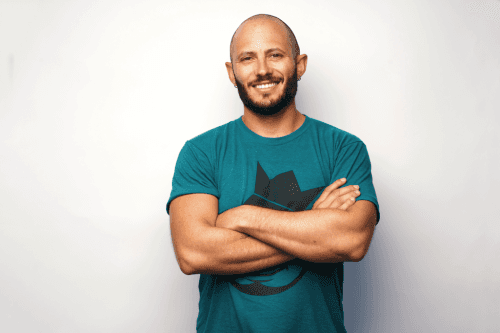
Noah Kagan – Founder of AppSumo, helping SaaS startups grow through deals and automation tools.
Julian Shapiro – Runs BellCurve, a growth marketing agency focused on SaaS and AI-driven campaigns.
Steli Efti – CEO of Close, a CRM SaaS for sales automation and outreach.
Hiten Shah – Co-founder of Crazy Egg & FYI, building SaaS products and marketing automation solutions.
Brian Balfour – Founder of Reforge, teaching growth strategies for SaaS and AI-powered marketing.
With the right combination of tools, niche focus, and automation, solopreneurs can reach seven figures without hiring employees.
Tools That Make Solo Scaling Possible
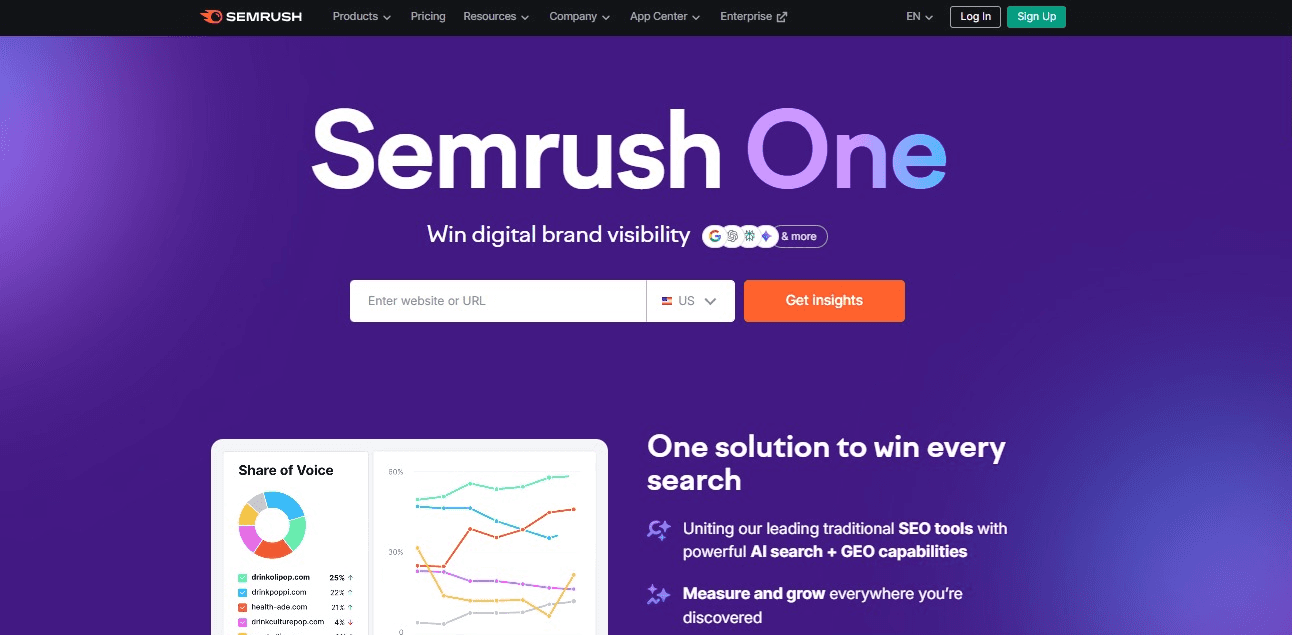
Solopreneurs rely heavily on technology to replace traditional teams:
No-Code Development: Bubble, Adalo, Glide
Automation: Zapier, Integromat, Make
AI Assistance: ChatGPT, Jasper, MidJourney
Marketing & Analytics: SEMrush, Ahrefs, Google Analytics
E-commerce & Payments: Stripe, Gumroad
Result: One founder can manage tasks that previously required 10+ employees.
Solopreneur Automation Blueprint
One person can’t do everything manually. Automation isn’t a luxury, it’s a necessity for scaling revenue solo.
This blueprint outlines how to integrate automation at every stage of your business.
1. Customer Support
AI chatbots and automated support scripts handle repetitive queries.
Tools: ChatGPT, Intercom, Zendesk with AI responses
Actions: Automate FAQs, order status updates, and ticket routing
Benefit: Reduces response times while maintaining high customer satisfaction
2. Content Creation
AI and no-code tools allow solopreneurs to produce high-quality content consistently.
Tools: Jasper, ChatGPT, MidJourney, Canva AI
Actions: Generate blog posts, social media captions, product descriptions, or video scripts
Benefit: Saves hours weekly, ensures consistent output, and keeps audiences engaged
3. Marketing Automation
From email campaigns to retargeting, automation ensures leads don’t fall through the cracks.
Tools: Mailchimp, ActiveCampaign, Klaviyo, Zapier
Actions: Set up behavior-based email sequences, retarget website visitors, segment audiences automatically
Benefit: Delivers personalized experiences without manual effort
4. Sales and Onboarding
Automated processes make every transaction smooth.
Tools: Stripe, Gumroad, Shopify, Memberstack
Actions: Automate payment confirmations, product access, upsells, and subscription renewals
Benefit: Converts leads efficiently and scales revenue without human intervention
5. Reporting and Analytics
Manual reporting is slow and error-prone. Automation gives solopreneurs insight in real-time.
Tools: Google Analytics, SEMrush, Ahrefs, Data Studio dashboards
Actions: Consolidate metrics, track KPIs, and trigger alerts for anomalies
Benefit: Data-driven decisions without spending hours compiling spreadsheets
Implementation Tip:
Start small. Automate one workflow at a time.
For example: first set up automated emails, then integrate AI content creation, then link support bots. Incremental automation ensures your systems are robust and manageable.
With this blueprint, a solopreneur can run a business that traditionally required 10+ employees. While, maintaining full control and high profitability.
The key is to replace repetitive tasks with systems and AI, leaving strategic decisions to the founder.
Advanced Strategies for Solopreneurs
1. Outsource Strategically
Use freelancers for tasks that require human creativity or compliance
Platforms: Upwork, Fiverr, Toptal
2. Use AI to Personalize Marketing
ChatGPT or Jasper for personalized emails
AI-driven segmentation for newsletters and campaigns
3. Optimize for Recurring Revenue
Bundle products or services
Offer tiered pricing to capture different audience segments
4. Track Metrics Religiously
Revenue per customer
Customer acquisition cost (CAC)
Churn rate
Lifetime value (LTV)
5. Build Community Around Your Brand
Facebook Groups, Discord, or Slack communities increase retention
Community-led growth allows scaling without additional staff
Key Metrics Every Solopreneur Should Track

Scaling a business solo isn’t just about automation or tools, it’s about making data-driven decisions. Without a team, solopreneurs must know what’s working and what isn’t. Tracking the right metrics ensures you spend time and resources on what drives revenue and growth.
1. Monthly Recurring Revenue (MRR) and Annual Recurring Revenue (ARR)
For subscription-based products or services, MRR and ARR are the backbone of financial visibility.
Why it matters: Shows predictable income and growth trends.
Actionable tip: Break down revenue by product line, tier, or niche to see which offerings drive the most profit.
2. Customer Acquisition Cost (CAC) vs. Lifetime Value (LTV)
Every marketing dollar should have a purpose. CAC tells you how much it costs to acquire a customer, while LTV tells you the total revenue a customer generates over time.
Why it matters: Ensures your marketing and sales efforts are profitable.
Actionable tip: Aim for an LTV at least 3x your CAC to maintain healthy margins.
3. Churn Rate and Retention Metrics
Even the most profitable solopreneur business can collapse if customers leave too quickly.
Why it matters: High churn signals dissatisfaction or misalignment with your target audience.
Actionable tip: Monitor churn monthly, track reasons for cancellations, and implement retention campaigns to reduce attrition.
4. Engagement and Conversion Rates
Whether it’s a landing page, email campaign, or social media post, engagement and conversion are the lifeblood of growth.
Why it matters: High engagement signals that your content resonates; high conversion signals that your system effectively turns interest into revenue.
Actionable tip: Use A/B testing to continuously improve headlines, copy, and CTAs.
5. Marketing ROI
Every tool, ad spend, and campaign has a cost. Tracking ROI ensures that automation and AI investments are actually paying off.
Why it matters: Prevents overspending and identifies the highest-leverage channels.
Actionable tip: Track ROI per tool, per campaign, and per content channel to make smart investment decisions.
Pro tip: Use dashboards (like Google Data Studio, Notion, or Airtable) to consolidate metrics in one place. A solopreneur can make faster, smarter decisions when the data is easy to see and interpret.
The Power of Niche Focus
Many solopreneurs achieve seven figures by solving a specific problem better than anyone else.
Example Niches:
SaaS for indie creators
AI tools for e-commerce marketers
Fitness guides for postpartum women
Digital products for startup founders
Targeting niches allows premium pricing, easier marketing, and better retention, while avoiding competition with large enterprises.
Mistakes to Avoid
Trying to do everything manually: Automation is the backbone of solo scaling
Chasing large, broad markets: Niche focus beats mass appeal
Neglecting recurring revenue: One-off sales limit scaling potential
Ignoring personal brand: Solopreneurs rely on trust and authority
Overcomplicating tools: Keep workflows lean and maintainable
Scaling Beyond $1M as a Solopreneur
Once the foundation is built:
Add premium tiers or advanced features for higher revenue
Integrate affiliate partnerships or joint ventures
Launch AI-driven upsells or consulting add-ons
Expand into complementary niches while maintaining solo control
Key Insight: Solopreneurs scale not by hiring, but by optimizing systems, tools, and niche positioning.
Final Takeaways
Solopreneurs can hit $1M+ revenue without a team
Focus on niche markets, automation, and recurring revenue
Leverage AI, no-code, and off-the-shelf tools to replace traditional employees
Build a personal brand for authority and trust
Structured systems allow one person to manage what traditionally required 10+ employees
The future of entrepreneurship is lean, automated, and solo. With the right approach, anyone can build a profitable, scalable business without hiring staff.
FAQs
1. Can a solopreneur really build a $1M business without employees?
Yes. With recurring revenue models, automation, and AI tools, many solopreneurs reach seven figures without hiring. The key is replacing repetitive human tasks with systems, software, and workflows instead of headcount.
2. What types of businesses work best for solopreneurs?
The best solopreneur businesses are:
No-code or Micro SaaS
Subscription-based digital products
Content-driven brands (newsletters, YouTube, courses)
E-commerce without inventory
These models scale without requiring customer-specific manual work.
3. How long does it take to reach $1M as a solopreneur?
There’s no fixed timeline. Many successful solopreneurs reach $1M in 2–5 years by focusing on niche markets, recurring revenue, and continuous automation. Speed depends more on positioning and execution than hours worked.
4. What role does AI play in solo business scaling?
AI replaces roles traditionally handled by teams, including:
Content creation
Customer support
Marketing personalization
Data analysis
Reporting
This allows one founder to operate like a full organization with minimal overhead.
5. Do solopreneurs ever need to hire employees?
Not necessarily. Many solopreneurs stay solo indefinitely by outsourcing selectively to freelancers for specialized or compliance-related tasks. The goal is leverage, not headcount.
6. What revenue models are most sustainable for solo founders?
Recurring revenue models are the most sustainable, including:
SaaS subscriptions
Memberships
Paid communities
Subscription newsletters
Predictable revenue reduces pressure and enables long-term scaling without burnout.
7. What metrics matter most for solopreneurs?
Key metrics include:
MRR/ARR
Customer acquisition cost (CAC)
Lifetime value (LTV)
Churn and retention
Marketing ROI
These metrics help solo founders focus time only on high-impact activities.
8. What is the biggest mistake solopreneurs make when trying to scale?
Trying to do everything manually. Without automation, solopreneurs cap their growth early. The fastest-growing solo businesses prioritize systems, workflows, and repeatability over hustle.